Abortion debate looms over elections in New Jersey, Virginia and Pennsylvania
While abortion is not on the ballot in any state election this week, the issue remains a crucial topic as three states could see shifts in political power.
Two pro-abortion states – New…
While abortion is not on the ballot in any state election this week, the issue remains a crucial topic as three states could see shifts in political power.
Two pro-abortion states – New Jersey and Virginia – will elect new governors this week. New Jersey allows abortion up to the moment of birth, with no gestational age limit, one of only nine states with such leniency.
Rep. Mikie Sherrill, D-N.J., leads Republican Jack Ciattarelli, a former state representative, by seven percentage points, according to a Fox News poll.
Sherrill supports the state’s current abortion laws. Planned Parenthood and Reproductive Freedom for All “have announced six-figure ad buys” to support her, The Guardian reported.
Ciattarelli has called for “finding common ground” on the issue, saying most Americans support “certain reasonable exceptions and restrictions.” He said decisions about abortion “should be between a woman, her partner, her faith and her health care professionals.”
His proposed “reasonable restrictions” include a 20-week limit on abortions, parental notification for minors seeking abortions, and the removal of taxpayer funding for the procedure.
“The fact that a 16-year-old in New Jersey needs her parents’ permission to get her ears pierced, but not to get an abortion, is absurd,” Ciattarelli states on his campaign website.
In a recent debate with Sherrill, Ciattarelli said he supports “a woman’s right to choose” but doesn’t want New Jersey to become a sanctuary state for abortion.
“What I don’t support is making New Jersey the abortion capital of the country, inviting people from other states to come to New Jersey and have their abortions performed,” Ciattarelli said. “I don’t support that, let alone using taxpayer dollars to do that.”
Battle in Virginia
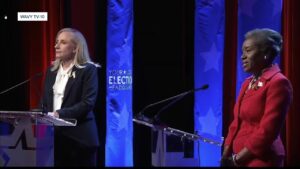
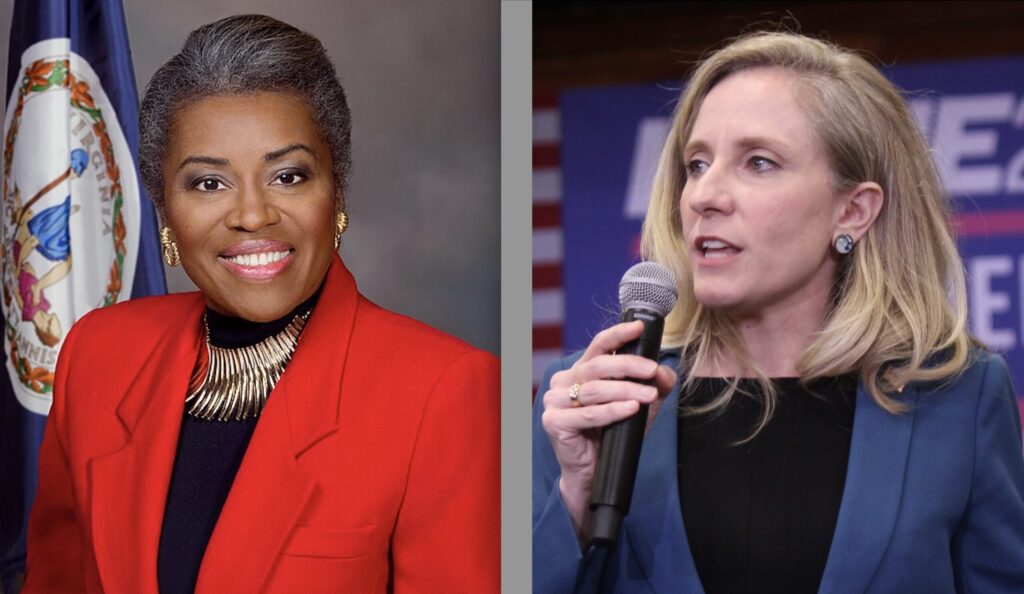
In Virginia, Lt. Gov. Winsome Earle-Sears, a Republican, faces Democrat Abigail Spanberger in a race that will make one of them the first female governor in state history.
Virginia permits abortion up to 27 weeks of gestation – when the unborn child is more than a foot long, has a fully developed heart, and can open and close its eyes, taste and feel pain.
As lieutenant governor, Earle-Sears said she was “morally opposed” to abortion when she was legally required to sign an abortion rights amendment passed by the state legislature. She added, however, that state policy on abortion should reflect “the view of the majority,” not her personal opinion, The Guardian reported.
Spanberger said she would sign the Right to Contraception Act, which Republican Gov. Glenn Youngkin vetoed, and emphasized her defense of abortion rights.
Spanberger currently leads Earle-Sears by 11 points, according to a Fox News poll. In addition to the governor’s race, all 100 seats in Virginia’s House of Delegates are up for election. Democrats currently hold a two-seat majority, 51-49.
Pennsylvania Supreme Court retention elections
Pennsylvania does not have a governor’s race this year, but three state Supreme Court justices face retention elections, in which voters decide whether an incumbent judge remains on the bench. Judges must receive 50% approval to retain their seats. If a judge is rejected, the governor appoints a temporary replacement until the next election.
The current Pennsylvania Supreme Court leans Democratic, 5-2. All three justices up for retention, as well as Gov. Josh Shapiro, are Democrats, The Guardian reported.
The court upheld a case in 2022 that requires a woman to wait 24 hours after consulting with a doctor to begin an abortion.
Under the state’s constitution, abortion is legal through 23 weeks of pregnancy, except in cases of rape, incest or risk to the mother’s life or health. Parents also must be informed of a minor’s intention to abortion.
While polls suggest political stability in each state, former President Donald Trump flipped Pennsylvania red in the 2024 election. He lost in Virginia and New Jersey by only five percentage points in each, narrowing the more than 10-point gap from 2020.