Another Congo attack kills 64 Christians as death toll tops 600 in 2025
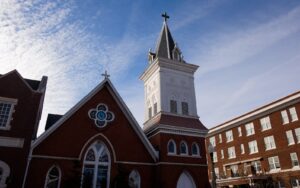
An ISIS-backed rebel group killed 64 people at a Catholic parish in eastern Democratic Republic of the Congo in what was described as a “premeditated” assault.
The latest attack brings…
An ISIS-backed rebel group killed 64 people at a Catholic parish in eastern Democratic Republic of the Congo in what was described as a “premeditated” assault.
The latest attack brings the number of civilians killed by the Islamic group to more than 600 this year, according to previous reports by The Lion.
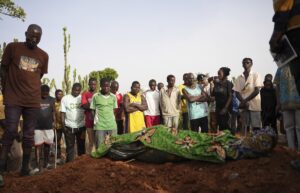
Earlier in September, more than 100 Christians were killed in a two-day spree as the group attacked civilians attending a funeral with machetes and automatic weapons.
“What I saw was horrible. They killed almost everyone who was gathered at the funeral home,” Father Paluku Nzalamingi told local newspaper Acualite about the Sept. 11 attack. “Women on mattresses in the deceased’s living room, others in the hallway, and still others outside in the plot. In any case, many were shot dead. Corpses are on the road, in plots near the Ntoyo center. I haven’t been able to count them, but it’s more than 70 people at least, from what I can say. Mainly killed by gunfire.”
The most recent assault, on Sept. 16, followed a similar pattern with attackers targeting a “mourning ceremony” in the village of Ntoyo, North Kivu province, according to the Catholic Herald. The Christian Post described it as a “wake.”
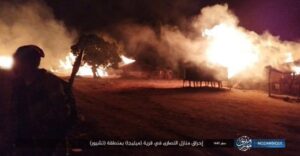
Witnesses said fighters from the Allied Democratic Forces, or ADF, used machetes, automatic weapons and even hammers on “unsuspecting and vulnerable” victims. They also set fire to homes and killed those attempting to flee.
“To all the families affected by this umpteenth and horrible carnage … and to all the faithful of the parish, we express our spiritual closeness,” Bishop Melchisédech Sikuli Paluko of Butembo-Beni told ACN UK, a Christian church organization.
The United Nations identifies the ADF as an armed group operating in eastern DRC, linked to the Islamic State. The group is accused of atrocities including killings, abductions and attacks on civilians, with operations concentrated in North Kivu and Ituri provinces.
According to the UN Security Council sanctions summary, the ADF finances its activities through illegal exploitation of natural resources and cross-border networks. It has also been implicated in recruitment campaigns of “boy soldiers” and coordinated assaults targeting both local populations and security forces, said the UN report.
Local residents recently uncovered bags of salt and cans of food hidden in a field near Ntoyo, a cache security officials say was intended to resupply ADF rebels, said Acualite.
Authorities confirmed the items were seized and investigations launched, describing the find as evidence of the group’s reliance on supply units based in nearby towns.
Weeks later, Ntoyo came under attack by ADF fighters who have maintained a presence in the area for over a year.
The ADF subgroups, numbering in the dozens, are accused of operating with brutal tactics, including the use of civilians as human shield, noted the local media.
The DRC seems powerless to interrupt the attacks on Christians in the eastern part of the country as attempts to ward off Islamic terror operations led by M23, a Rwandan-backed Muslim group, in the southern part of the country has taken precedence, said Crisis Group expert Onesphore Sematumba.
In Feb. 2025, 70 bodies of decapitated victims were found in a Protestant church in an attack missionary groups claimed was the work of the ADF, reported The Lion.
The missionary group Open Doors said the DRC has moved places on its World Watch List due to an increase in violence against Christians, despite being 95.2% Christian.
“Churches that criticise the government or armed groups such as the Allied Democratic Forces (ADF) may be shut down, and their leaders arrested or attacked,” said Open Doors. “Converts from Islam and indigenous religions face pressure from their families to return to their old faiths,” especially in eastern Congo.