British Fencing bans males from women’s competitions
British Fencing has changed its rules to ban biological males who identify as women from competing in women’s fencing competitions.
The change follows an April ruling by the UK Supreme Court…
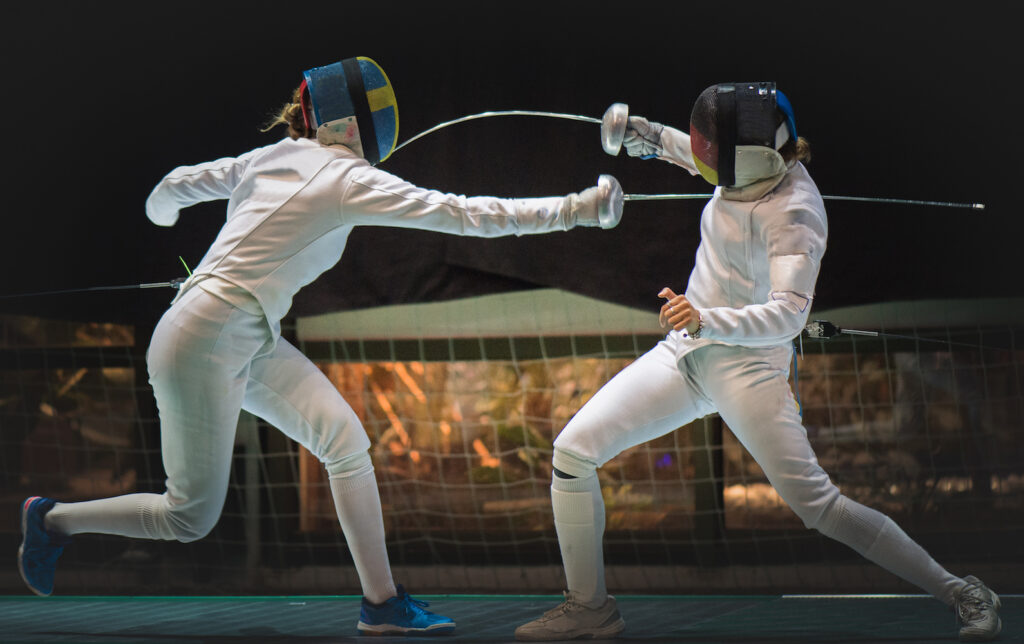
British Fencing has changed its rules to ban biological males who identify as women from competing in women’s fencing competitions.
The change follows an April ruling by the UK Supreme Court defining “woman” under the Equality Act based on biological sex.
British Fencing first introduced the policy last winter and made it official shortly after discussions at the International Fencing Federation congress last month.
Under the updated rules on the British Fencing website, “Only individuals whose sex at birth was female may compete in the female category.”
Biological females who identify as male may still compete in women’s or mixed categories, provided they are not taking female-to-male hormone treatment or related medication.
The International Fencing Federation later adopted a similar policy. During a meeting in November, officials agreed “only people who are female sex at birth and have not started female-to-male hormone treatment will be eligible to compete in the women’s category.”
British Fencing now joins other UK sports, including football, cricket and table tennis, that have changed their eligibility rules for women’s competitions following the court ruling.
Advocates for women’s sports welcomed the decision, citing concerns about fairness and safety.
“This is another victory for fairness for women and girls in sport,” said Fiona McAnena, director of campaigns for the charity Sex Matters. “There are serious safety issues in fencing, too.”
McAnena said female categories must remain protected across all levels of competition.
“Every sport that offers a female category must keep everyone male out, at every level,” she said. “It’s the only way to be fair to the female half of the population.”
Jane Sullivan, sports coordinator for the Women’s Rights Network, said previous policies harmed British athletes competing internationally.
“British women competing at the international level have lost out on world championship medals because of these unfair rules,” Sullivan said.
She said the decision from British Fencing could increase pressure on international sports authorities.
“With another Olympic sport now banning males from the female category, surely it is only a matter of time before the International Olympic Committee changes its rules,” Sullivan said.
British Fencing chief executive Georgina Usher said the updated rules aim to promote fair competition.
“In the UK, fair competition remains the guiding principle for domestic ranking events which lead to international selections,” she said. “British Fencing remains committed to fostering inclusive competition and training environments, ensuring everyone has a place in our sport.”