Budget shortfall leads Arizona’s largest school district to announce district redesign, job cuts
In response to a projected budget shortfall of at least $9 million, Mesa Public Schools is redesigning its district and cutting jobs “by over 40 positions,” according to Arizona’s…
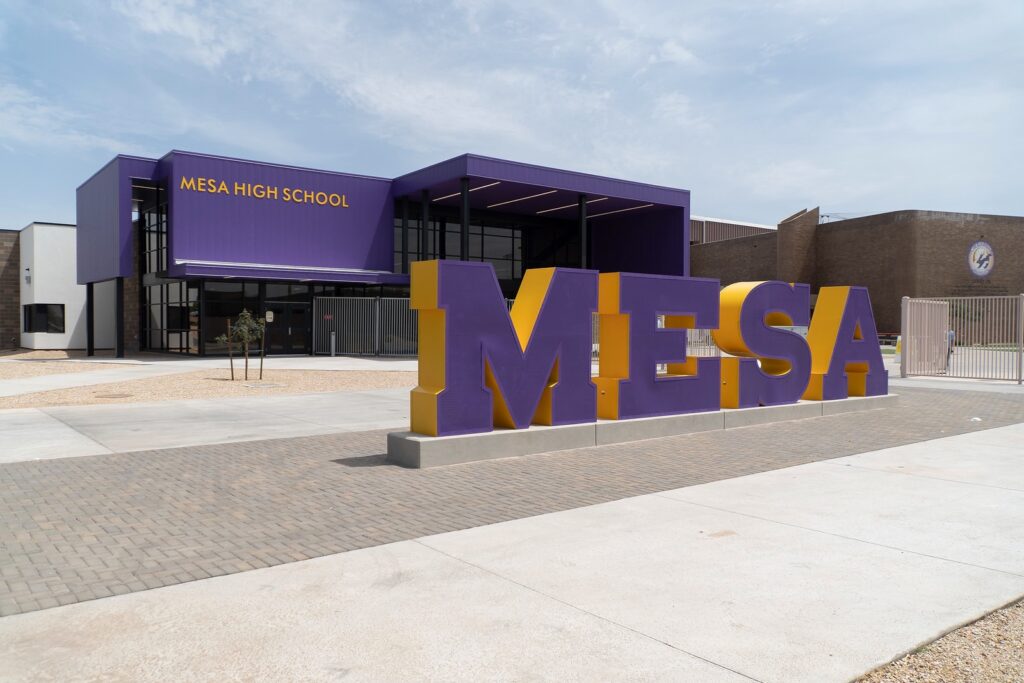
In response to a projected budget shortfall of at least $9 million, Mesa Public Schools is redesigning its district and cutting jobs “by over 40 positions,” according to Arizona’s Family.
“This is not a decision we take lightly and has been developed with careful consideration and transparency,” said Superintendent Dr. Matt Strom in a video published Aug. 15 on YouTube, adding the restructuring will save an estimated $3.75 million.
The district, which enrolled 55,600 students in the 2024-25 academic year, already reduced its staff in 2024 by almost 400 positions in response to falling enrollment.
The number of students attending is projected to decline by approximately 4,900 over the next three years, according to Strom.
State Superintendent of Public Instruction Tom Horne applauded the redesign, saying the district is “doing exactly the right thing” by focusing on cutting administrative positions over educational ones.
“You want to be spending your money on teachers, not on administrators,” he said.
Low marks over dropout rates, test scores
As previously reported by The Lion, the state’s public schools recently ranked 48th nationwide over a range of factors including test scores, environmental safety and graduation rates.
Meanwhile, funding has increased to record highs – from about $9,000 per pupil in fiscal year 2015 to over $14,500 in fiscal year 2024.
In addition to Mesa, other state districts are grappling with both present and forecasted enrollment declines.
A recent Washington Post article lamented school closures in south Phoenix’s Roosevelt Elementary School District, blaming Arizona’s Empowerment Scholarship Accounts (ESAs) after 8,500 students withdrew from the district.
However, educational analysts criticized the article as “biased and untrue.”
“It is misleading for the Washington Post to suggest that ESAs are the primary cause,” the Goldwater Institute argued in a critique, noting most students use open-enrollment policies to move to other public schools.
“Why spin a false narrative? Simply put, opponents of school choice see that it’s working – and they’re pulling out the stops to shut it down.”
Horne also defended the state’s school choice program, saying it gives “an outlet” to parents who believe their child’s needs are not being met.
“1.2 million kids are in public school and about 90,000 are in our ESA Program,” he said. “ESAs are not a challenge to the public schools.”