Dallas schools see library checkouts soar 24% after banning cell phones
Parents and teachers who believe smartphones have had a detrimental impact on students’ learning have fresh evidence to support their concerns – and it points to the very outcome they…
Parents and teachers who believe smartphones have had a detrimental impact on students’ learning have fresh evidence to support their concerns – and it points to the very outcome they suspected.
The findings come in the form of new data from the Dallas Independent School District – the second-largest district in Texas – where officials say student reading has climbed following implementation of the state’s new law restricting cell phone use in schools.
Between the start of the school year and March 31, students checked out more than 1.08 million books in Dallas ISD, compared to roughly 872,000 during the same stretch a year earlier – a gain of more than 200,000 books, or about 24%, according to data shared with CBS News.
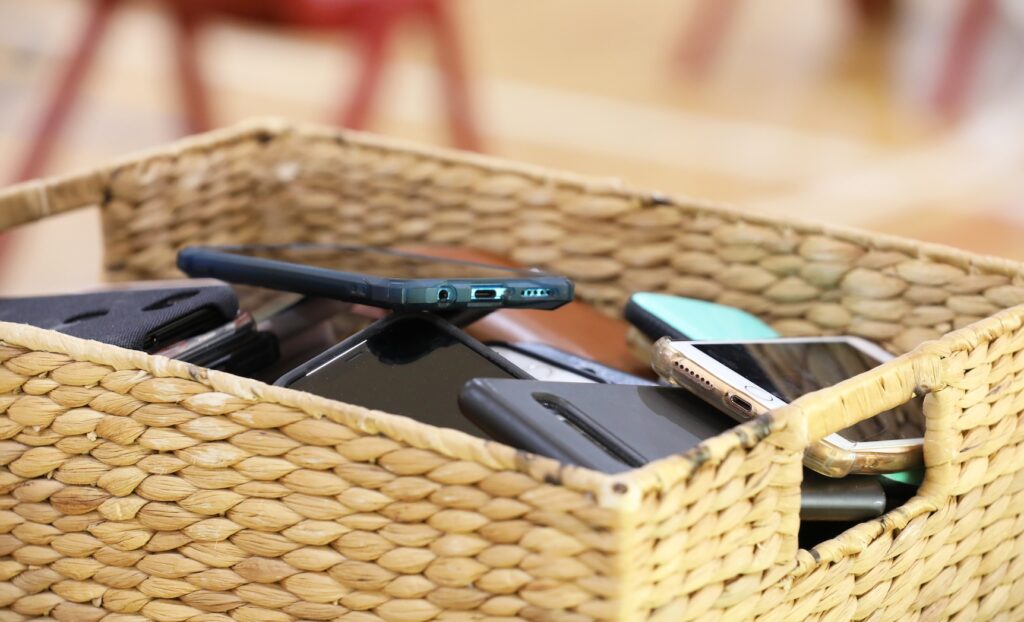
District leaders attribute the increase to reduced phone access during the school day, noting that students who once turned to screens are now spending more time in libraries and engaging with books.
Hillcrest High School librarian Nina Canales said students are more focused in class – and less distracted during downtime. Even better, students are developing a renewed interest in reading.
“I started hearing, ‘Oh, I’m so bored. I can’t get on my phone after I do my work or during lunchtime,’” Canales told CBS News. “Once they lock into these stories, they don’t seem to care about their phones at all.”
Texas is among a wave of states that have passed restrictions on smartphone use in recent years, concerned not only about their impact on students’ academic performance but also their mental health. The new law, signed by Gov. Greg Abbott last summer, prohibits students from having access to cell phones during the day, including during lunch and recess.
Texas is one of 18 states that have such a full-day ban, according to Stateline.org.
Since 2010 – when Instagram debuted, just three years after the first iPhone – depression among teens ages 12–17 has climbed about 150%, according to figures cited in Jonathan Haidt’s book The Anxious Generation. During that same period, emergency-room visits for self-harm among girls ages 10–14 have nearly tripled, while suicide rates for that age group have risen 91% for boys and 167% for girls.
Abbott cited concerns about classroom distraction and student well-being when he signed the law in 2025, saying teachers and researchers “have raised concerns about the impact that smartphones have on student learning and student engagement.”
“Experts have explained that smartphones and social media affect the mental health of children,” Abbott said. “If we are going to be number one in education, it is going to require the undivided attention of our students in the classroom.”
It’s safe to say the law is already showing positive results.
Canales, the high school librarian, said book checkouts more than tripled at her campus during the first nine weeks of the year, going from 500 in 2024-25 to about 1,800 books this school year.
Yamilet Jimenez, a freshman, told CBS News the change has helped her stay focused on schoolwork instead of her phone.
“Now that I’m busy with a bunch of work and [preparing for] college,” Jimenez said, “I don’t find myself missing my phone that much, even at home.”