
Denver schools grapple with rising school bus fuel expenses
School bus fuel has increased by nearly $2 per gallon this year for Denver Public Schools, causing some consternation over both short-term and long-term budget effects.
“I think that if…
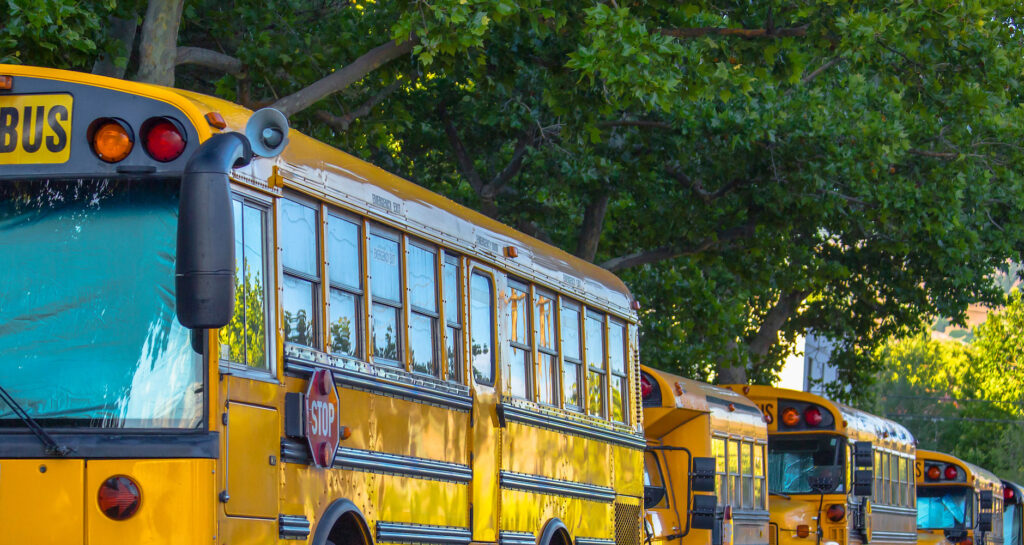
School bus fuel has increased by nearly $2 per gallon this year for Denver Public Schools, causing some consternation over both short-term and long-term budget effects.
“I think that if this was going to be prolonged, let’s say that this was going for another year, there’s a possibility that the board would look at whether or not there needs to be change,” Albert Samora, the district’s executive director of transportation, told the local ABC affiliate.
“In order to find savings, for instance, walk distances to schools could be changed. Long-term, it could absolutely affect transportation.”
More than 82% of the district’s buses – about 300 total – use diesel fuel, which amounts to approximately $1.2 million in fuel expenses annually, according to the article.
“I’m padded right now, and I’m not in a place where I’m concerned that I think I’m going to have to go after money yet,” Samora told journalists, adding he can make cuts if the transportation budget exceeds projections in certain areas.
The district enrolled approximately 89,000 students for the 2025-26 academic year across 198 schools.
National gas prices have jumped amid the ongoing U.S.-Iran conflict over the Strait of Hormuz, which plays a key role in global oil exports.
Projected lower enrollment, chronic absenteeism
Meanwhile, Denver is also facing attendance and enrollment challenges in the wake of a four-year freeze on school closures.
“We just closed seven (schools) and redesigned three,” said the district’s board president Carrie Olson last summer. “So it’s our hope that we’ve bought three to five years of not having to close any schools.”
Closures can still happen if unexpected emergencies or substantial shifts in funding or enrollment take place, according to officials. The district is projecting an 8% decrease in enrollment, or approximately 6,000 fewer students, by 2029.
“We brought in so many students, but then many left to try and find better places to live,” Olson said, referring to thousands of families migrating to the area. “Housing is always a challenge. But it has helped.”
Of the students who do attend, chronic absenteeism remains an ongoing issue.
The district estimated more than one-third of its attendees were chronically absent, missing more than 10% of the 2024-25 school year.
“We want your children at school all day, every day,” Cori Canty, the district’s school improvement and attendance manager, told CBS Colorado. “And what can we do to help you so that it’s very proactive, it’s very positive, and it’s a big, heavy emphasis on problem solving rather than blame and shame?”