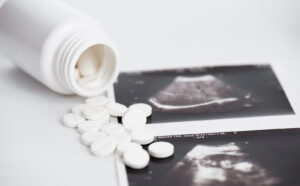
EPA investigating abortion pill pollution of drinking water
The Environmental Protection Agency is reviewing whether abortion pills are contaminating the nation’s water supply.
The agency opened the review this summer after 25 Republican members…

The Environmental Protection Agency is reviewing whether abortion pills are contaminating the nation’s water supply.
The agency opened the review this summer after 25 Republican members of Congress sent a letter asking whether abortion drugs such as mifepristone and their byproducts are present in wastewater or drinking water.
The letter asked whether “existing E.P.A.-approved methods” can detect mifepristone and what resources would be needed to create such testing methods. EPA scientists told officials no approved methods currently exist, but new ones could be developed if necessary.
“Mifepristone is a potent progesterone blocker that disrupts hormonal balance in pregnant women to induce abortion,” lawmakers wrote. “If residual amounts of the drug and its metabolites persist in wastewater, prolonged exposure could potentially interfere with a person’s fertility regardless of sex.”
Sen. James Lankford, R-Oklahoma, said a serious problem exists.
“As gross as it sounds, much of our sewage water ends up being filtered through wastewater treatment plants and becomes drinking water downstream,” he said. “But that process doesn’t take out everything.
“PFAS medications or other chemicals are often still in the system,” he added. “What happens when it gets recycled back into our drinking water? Does that affect future fertility? Can that cause miscarriages? We don’t know because that’s never been studied.”
According to Google AI, “PFAS are a group of man-made chemicals called per- and polyfluoroalkyl substances, known as ‘forever chemicals’ because they are very persistent in the environment and the human body.”
U.S. Rep. Josh Brecheen, R-Oklahoma, expressed a similar sentiment.
“With chemical abortion now the most common abortion method in America, the public deserves answers about how these potent hormone disruptors affect our water supply and contribute to our nation’s rising infertility rates,” he said.
The FDA has acknowledged around 10% of contaminants may remain even after two stages of wastewater treatment, Life News reports. Pro-life researchers say that could include chemical residues from abortion pills.
John Stemberger, president of Liberty Counsel Action, said “40 tons of aborted babies’ bodies” become “medical waste – going into toilets, going into sewer systems, going into septic tanks, and ultimately going into the water systems that process our drinking water.”
A Liberty Counsel Action report says abortion providers using chemical pills have turned wastewater plants into “de-facto medical waste facilities.”
The report argues the practice violates the Clean Water Act and the National Environmental Policy Act because the Food and Drug Administration never conducted any environmental review before approving mifepristone.
Kristan Hawkins of Students for Life of America thanked lawmakers who “demand evaluation of the global consequences of the reckless deregulation and lack of testing.”