
Florida pastor: Visit Israel to truly understand conflict, don’t rely on media
A Florida pastor who recently toured Israel, including the Oct. 7 massacre site, said visiting in-person and learning the history of the land is the only way to understand the current…
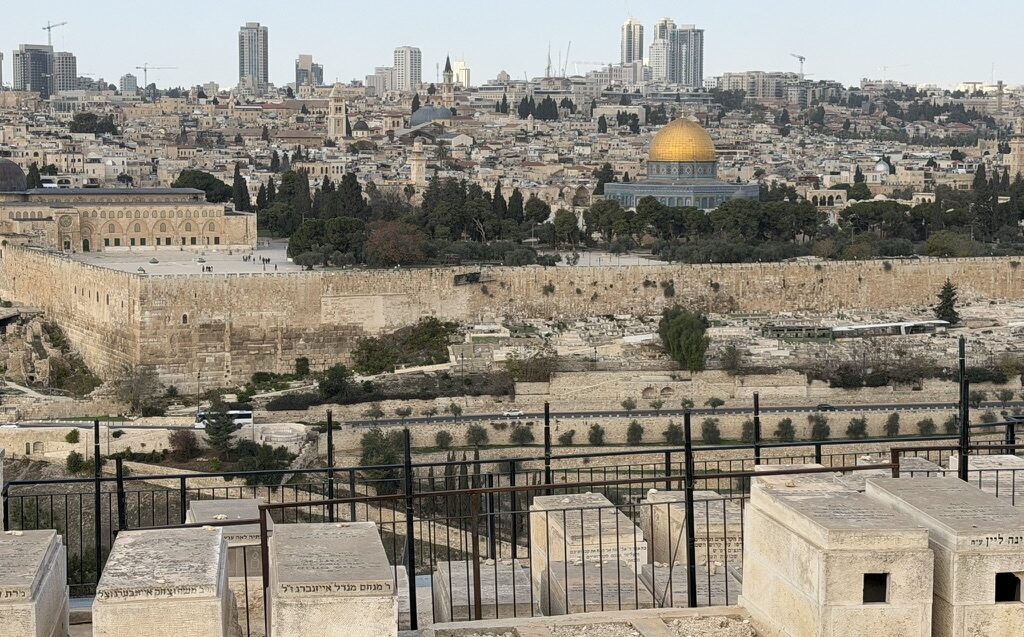
A Florida pastor who recently toured Israel, including the Oct. 7 massacre site, said visiting in-person and learning the history of the land is the only way to understand the current conflict.
Rick Stevens, pastor of Diplomat Wesleyan Church in Cape Coral and co-founder of Florida Citizens Alliance, a pro-freedom group, spent a week in Israel in early December, visiting both biblical sites and conflict areas.
Stevens said you “can’t really get an understanding of what’s happening in Israel and that part of the world” without visiting and faulted the mainstream media for its coverage.

“We saw the story of what’s going on today and also the broader, emerging horror and increasing concern for antisemitism around the world,” he told The Lion in an interview.
Although the trip was sponsored by Friends of Zion – a Christian organization – and the Israeli government, Stevens said there was “no pressure” for him or the other pastors on the tour “to say anything” about what they saw.
Something not often told is “how many different groups of people call Israel home,” he said. “There’s an Arab village. There’s a Muslim village, a Jewish village, a Christian village. That’s been true historically, and they’ve gotten along – not perfect but normal life.
“A lot of people call Jerusalem home. They get along to a degree, but there are tensions.”
Even so, “there are places Israeli Jews are not allowed to go because the army doesn’t want them there,” including the top of the Temple Mount, where Jews have limited access and are forbidden to pray. The historic area is under Muslim control, something ratified in Israel’s 1994 peace deal with Jordan, a Muslim nation.
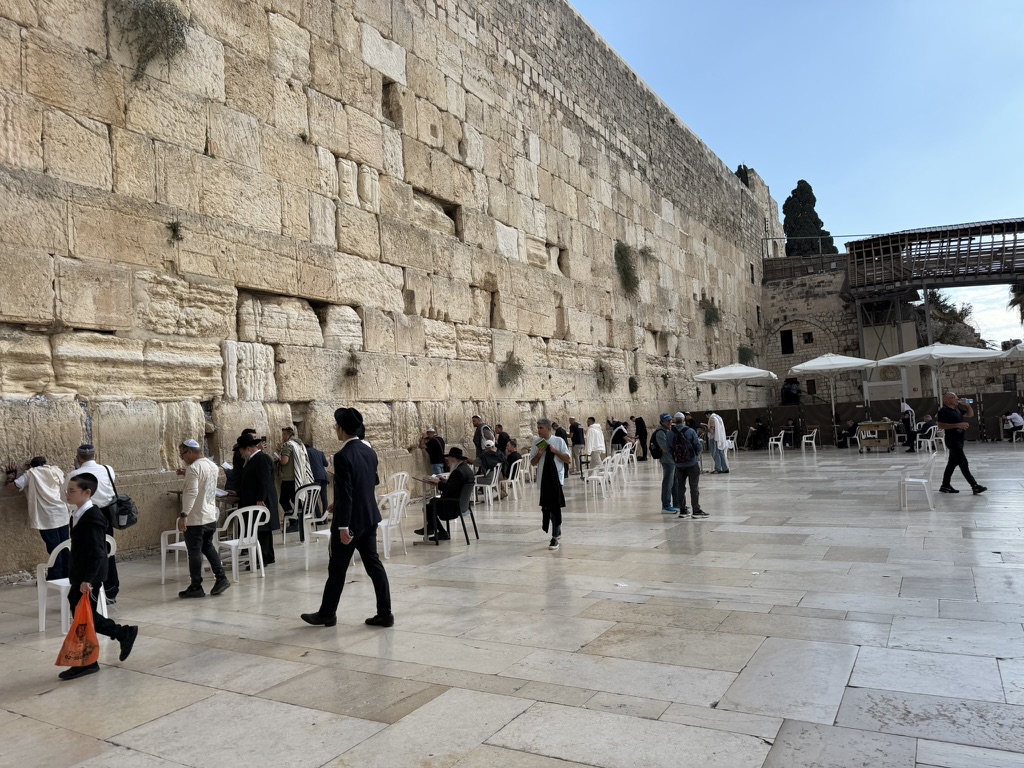
The tour included visits to the Western Wall, the Garden Tomb and the Church of the Holy Sepulchre, as well as a meeting with survivors of the Nova Music Festival massacre and two conversations with U.S. Ambassador to Israel Mike Huckabee.
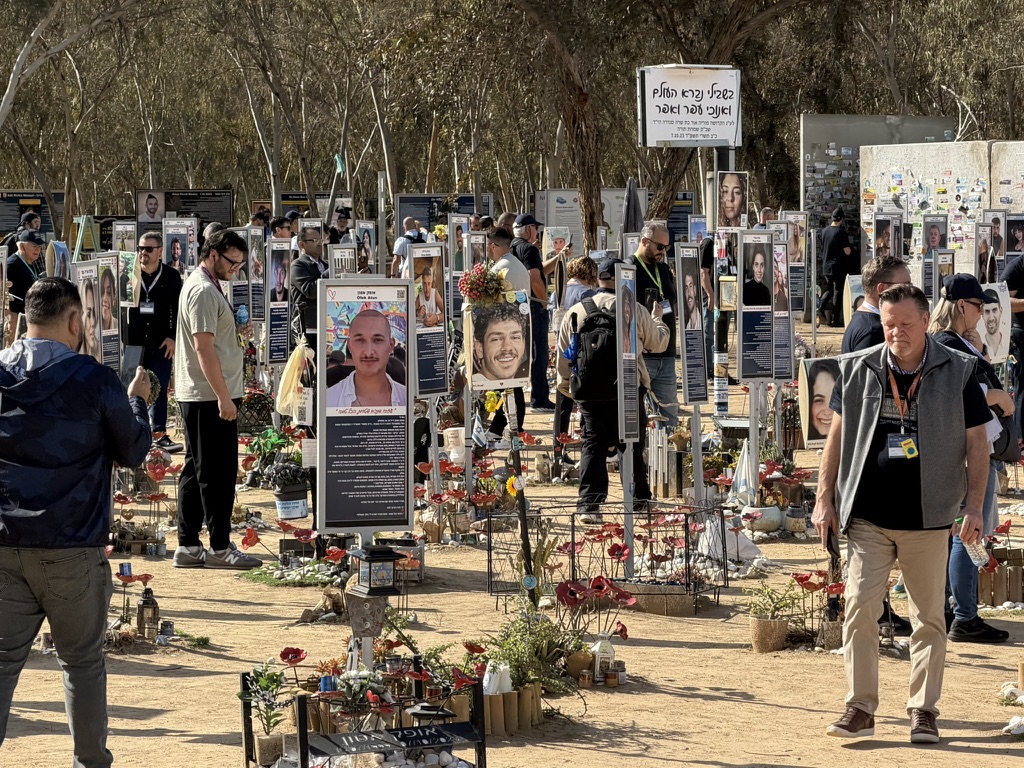
When Stevens visited the Nova site, where Hamas killed 1,200 Israelis, two things stood out: how Hamas radicalized people who were formerly neighbors and how bomb shelters are still present there in case of missile attacks.
“There was a level of brutality and attack we can’t imagine,” he said. “That’s a long way from our experience.
“Seeing it gives context to Israel’s response,” which included airstrikes and a military invasion of Gaza. “We would expect our country to respond in kind and then some.”
The site is near the Gaza border, giving people just 15 seconds to reach bomb shelters in the event of a rocket attack. “Thankfully there were none while we were there,” Stevens said, but it showed him how vulnerable Israel is as a nation.
The Jewish state took control of territory including the West Bank and the Golan Heights in the 1967 war, areas that grant increased security and buffer zones from hostile neighbors. Stevens opposes calls for Israel to return those lands – both for security reasons and because they are the sites of many biblical events.
“Politics aside and no matter what the media says, there’s no group of people that has the historical claim to that part of the world the Jewish people have,” Stevens said. While many in the West have endorsed the concept of “Free Palestine,” Stevens said the Palestinians are “a contrived problem that was developed as a way to fight against Israel.”
“Too much of the Western press picks that stuff up uncritically,” he said, explaining how a Roman emperor renamed the land “Palestine” around A.D. 136 as retaliation following a Jewish revolt. Although various Arab peoples lived in the land, there was no “Palestinian people.”
Hamas still controls much of Gaza, and Stevens doubts it “will ever live up to the agreements” in recent peace deals.
Stevens returned about a week before 15 people were killed in the Bondi Beach massacre in Australia on the first day of Hanukkah, highlighting the rising global threat of antisemitism. He said Jewish people in Israel and elsewhere pay attention to what happens to Jews in other places. “Without a doubt it affects them deeply,” he said of the recent violence.
Despite the tensions, “everyone should find a way to visit Israel,” he said. “You really get a very different understanding of the Bible and world we live in when you’re there. And if you can’t personally go, help someone else go.”


