Frontrunner in Iowa Governor race opposes state’s school choice program
The race to succeed Iowa Gov. Kim Reynolds, who ushered in the state’s school choice program in 2023, has taken an interesting turn.
The current leader in the polls is state…
The race to succeed Iowa Gov. Kim Reynolds, who ushered in the state’s school choice program in 2023, has taken an interesting turn.
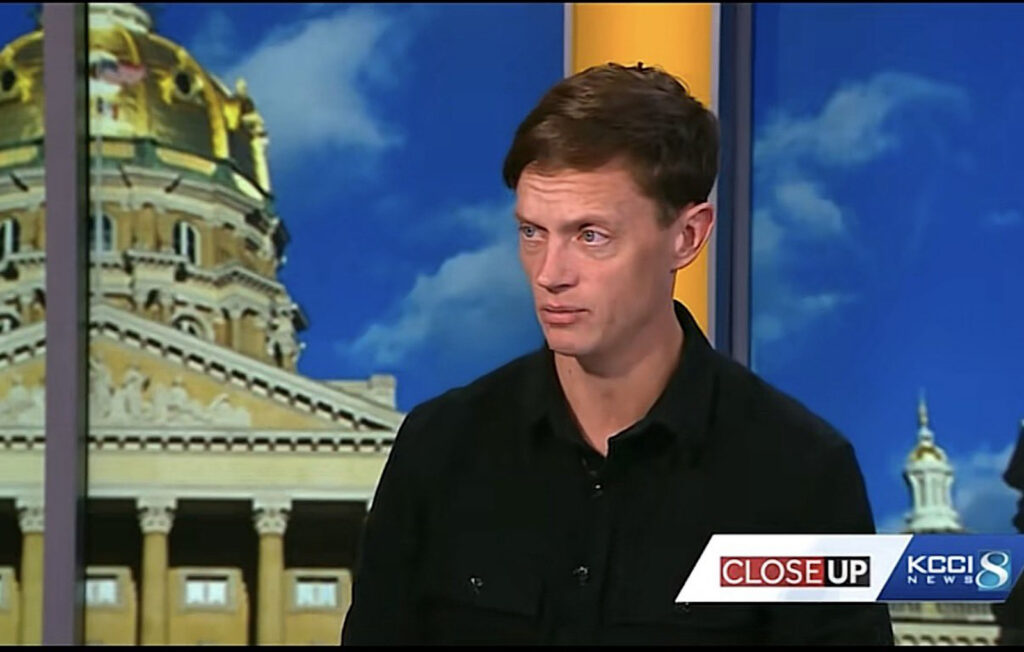
The current leader in the polls is state Auditor Rob Sand, who won the Democratic nomination last week and wants to restrict and possibly eliminate the Students First Education Savings Accounts program.
Sand called the program “an invitation to fraud,” despite his office’s audit not finding any financial discrepancies. (Sand says the state didn’t allow him enough time for a thorough audit; state leaders dispute that and accuse him of playing politics.)
He favors greater oversight of private schools, including admissions policies, and wants to impose income limits on families qualifying for the $8,000 accounts, which help fund tuition and other education expenses. The program removed all income limits starting in the 2025-2026 school year.
“I want public oversight of public money,” Sand told Chalkbeat. “When you allow private schools to take public money but reject students, then you actually haven’t promoted school choice because the school is the one that gets to make the choice.”
He has also accused the program of siphoning “hundreds of millions of dollars away from public schools,” despite the law creating the program requiring the state to maintain public school funding and shielding districts from enrollment losses tied to school choice.
Tyler Raygor, Iowa state director of Americans for Prosperity, called Sand’s accusations “blatant falsehoods.”
“I think voters are being deceived by Mr. Sand when he says there’s no accountability, no oversight, no auditing of this program or the institutions taking part in the program,” Raygor told The Lion. “I think he’s using it as a campaign issue, and people are believing the lies.”
Raygor said leftists like Sand “have done a good job of demonizing the program” and that he “isn’t standing on the side of truth.”
Sand told Chalkbeat he is “independent-minded” and does not side with any group 100%, but he declined to answer where he differs with teachers unions, which have endorsed him. He also would not answer whether he would seek to eliminate school choice entirely or whether he would join the federal school choice tax credit program, which Reynolds has already endorsed.
He did say there was “no chance” of elimination because Republicans hold strong majorities in the state Legislature.
Raygor called eliminating the ESA program “a pipe dream,” since Republican lawmakers approved it just three years ago. It had the largest debut of a school choice program to that point and now serves more than 41,000 students, or 7% of the state’s K-12 population.
Raygor added that private schools are accountable to parents and that the idea of capping incomes presumes the government, not taxpayers, owns tax dollars.
“We all agree our children in Iowa have a right to be educated, and so I don’t think we should be discriminating against any families based on how much money they’re making or not making. I think when it comes to education, everyone should have the ability to participate in a program that funds the student and not the system.”
Sand will face Republican Zach Lahn, a farmer and businessman who narrowly won the nomination over Randy Feenstra, a U.S. representative for Iowa’s 4th Congressional District.
Lahn co-founded the Wonder school in Wichita and says he supports Iowa’s school choice program but also advocates for improving public schools.
” Education savings accounts are a foundational freedom that we should have,” he said, while adding that he wants “our public schools to be so good that people aren’t looking for other alternatives.”
Raygor said Republicans will have to “be on their game” during the election and tell the story of school choice. He said polling and his conversations with voters show broad support for education freedom across the political spectrum.
“I’ve talked to many of these folks who maybe were against it initially, and they got to use it and they saw the benefit. And now even the Democrat might be pro-school choice, despite their other Democrat beliefs.”
Competition in education lifts all boats, studies have shown, which bodes well for the state’s growth.
Raygor said Republican candidates “are going to have to be able to talk about why it is such a beneficial program, not just for your families today, but what that means for our state and our state’s future long-term.”
(Image credit: Screenshot/KCCI 8 News)