Georgia school choice program starts strong, with room to grow
Georgia’s school choice program is off to a robust start, but there’s room to expand it to more families, an advocate says.
Starting this year, students zoned for public schools in the bottom…
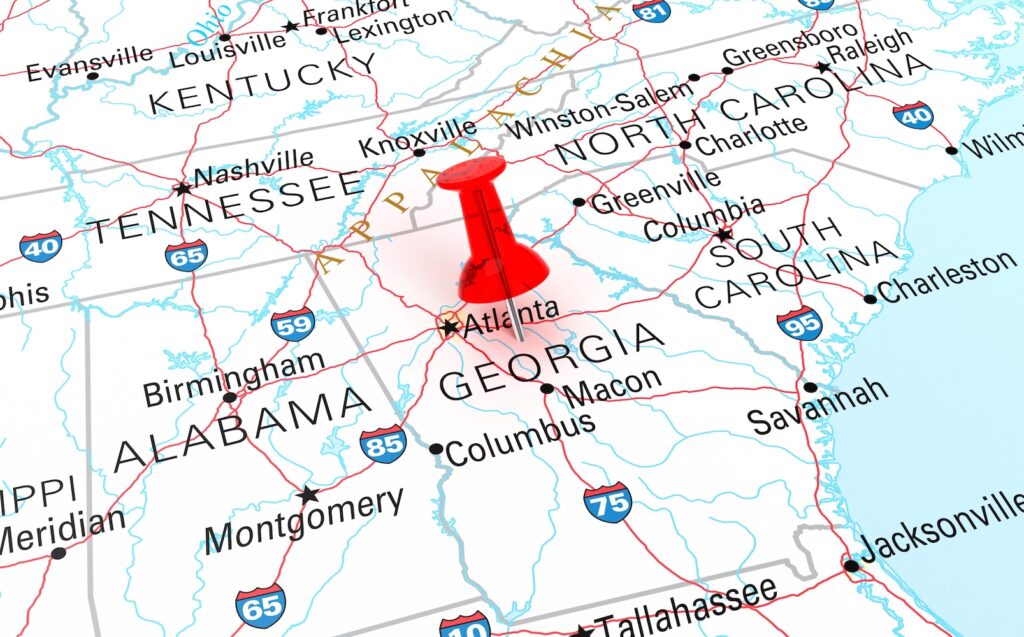
Georgia’s school choice program is off to a robust start, but there’s room to expand it to more families, an advocate says.
Starting this year, students zoned for public schools in the bottom 25% statewide can receive Georgia Promise Scholarships. The grants of up to $6,500 can be used to pay for private school tuition, homeschooling, tutoring, therapy and other education-related expenses such as textbooks and transportation.
More than 15,000 families have applied, and just over half have been approved, according to state data. Of those approved, nearly two-thirds (64%) are choosing private school; 16% are homeschooling, and 14% are using the money for therapy or tutoring.
Holly Terei, a school choice advocate, says the program will produce a long-term benefit for students.
“In the coming years, when students are graduating, the testimonials will show how this scholarship changed the trajectory of their lives,” Terei told Atlanta News First.
But she noted the program could serve more families if it is expanded to universal or near-universal access, something neighboring South Carolina and more than a dozen other states have done.
“If a school’s failing one child, then it’s failing that child – and that’s enough,” she said.
The state allocated $141 million to the program, or enough to fund more than 20,000 scholarships.
A Georgia Federation of Teachers leader cast doubt on the program because participation was below that level, but school choice programs often take a year or two to ramp up as parents learn about them and understand how to navigate the application process and find a new school for their child.
The next round of applications opens on Sept. 1. Once enrolled in the program, participating families must administer an annual assessment to their child.
Students from 505 schools, many in or around metro Atlanta, were eligible to apply for this year’s scholarships. Families with incomes below 400% of the federal poverty level were given priority in the program’s first year.