
Harvard’s attempt to combat grade inflation called racist by students
Harvard University students are pushing back against a proposal to curb grade inflation, calling it discriminatory and urging administrators to scrap the plan.
The petition, started…
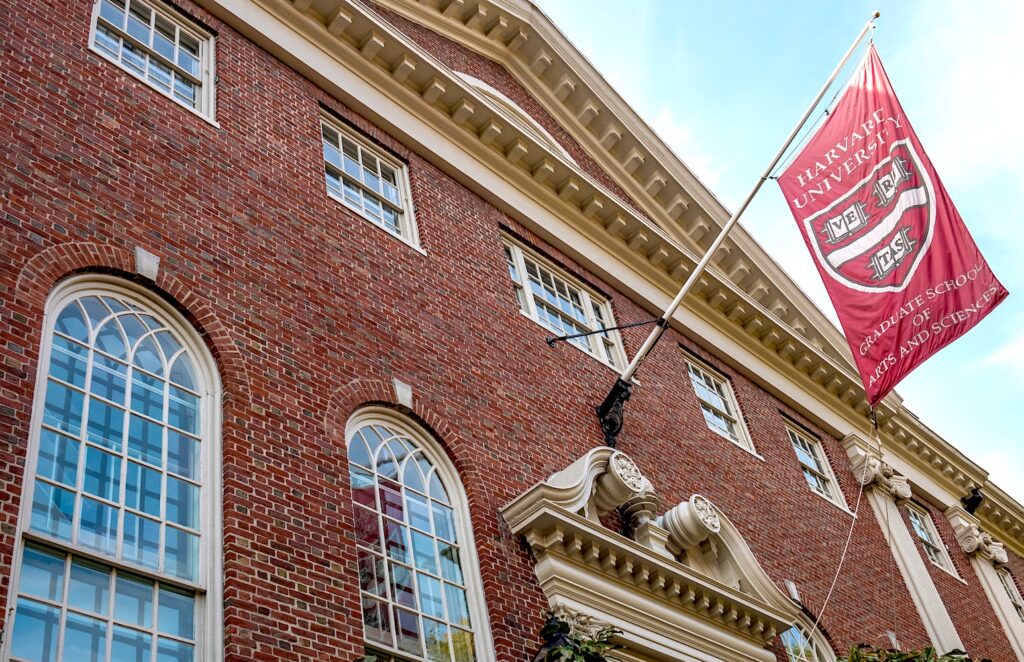
Harvard University students are pushing back against a proposal to curb grade inflation, calling it discriminatory and urging administrators to scrap the plan.
The petition, started by freshman Angelina Agostini, argues the policy would hurt nonwhite students.
“This petition calls on Harvard to reject the proposed grading policy, arguing that it is not merely flawed but racially harmful in effect,” the petition reads.
The university first introduced the grading proposal earlier this year to combat rising grade inflation. Internal data showed more than 60% of grades awarded in 2025 were A’s, up from about one-third in 2010.
Under the plan, professors would limit the number of top grades in a class. The original proposal included a stricter cap on A grades, though revisions have softened this approach. The school will roll out the policy in fall 2027.
Administrators said Harvard needs the changes to restore academic standards. In a university report, Dean of Undergraduate Education Amanda Claybaugh said current grading practices “are not only undermining the functions of grading; they are also damaging the academic culture of the College.”
Student organizers believe the proposal will reinforce “existing racial and socioeconomic hierarchies.”
The petition states, “We center racism as a core concern, contending that although the policy is framed as neutral ‘differentiation,’ it functions as a system of ranking and sorting that mirrors and reinforces existing racial and socioeconomic hierarchies.”
In a separate letter to university officials, Agostini and another student wrote, “The proposed grading policy is blatantly racist. Its harms are not hypothetical and have a history of heavily harming and burdening students of color and first-generation, low-income students.”
“To everyone reading this letter, we want to reiterate that FGLI students of color are no less capable, intelligent or deserving than their more privileged peers,” they wrote.
Supporters of the grading reform argue the changes would bring more fairness by tying grades more closely to academic performance rather than awarding top marks broadly.
The dispute reflects a divide on college campuses, where debates over merit, fairness and equity shape policy decisions. Institutions often face pressure from liberals to balance measurable standards with demands tied to identity and outcomes.
Critics argue this dynamic can lead schools to move away from merit rather than improve outcomes for all students.