
Majority of parents, teachers, students fear impact of AI in education, even as its reach grows
Most middle- and high-school students use artificial intelligence, but half of them have major concerns – as do their parents and teachers.
More than 85% of middle- and high-school…
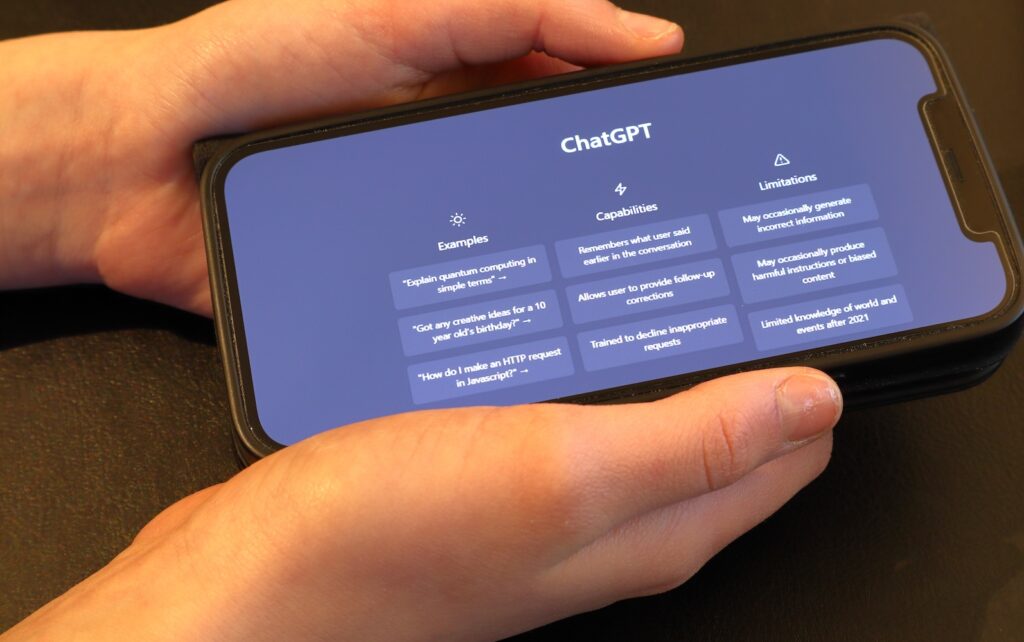
Most middle- and high-school students use artificial intelligence, but half of them have major concerns – as do their parents and teachers.
More than 85% of middle- and high-school students report using AI – a 16 percentage-point increase since 2024, according to a recent report from the Center for Democracy and Technology (CDT).
However, 50% of these students say AI disconnects them from their teachers. Moreover, half of parents and students agree a teacher who uses AI in the classroom is not doing his or her job.
“Now more than ever, students need strong relationships with their teachers and to acquire fundamental skills and knowledge necessary to be successful in the global economy,” CDT President and CEO Alexandra Reeve Givens said in a press release.
“The potential benefits of AI in the classroom cannot distract us from the core mission of schools – ensuring every student reaches their full potential.”
Additionally, 72% of parents either strongly or somewhat agree AI weakens students’ learning, writing, comprehension and research skills. Seven in 10 teachers agree, and 64% of students also agree.
More than six in 10 parents (63%) say AI also negatively impacts critical thinking skills. Nearly 60% of parents and teachers believe AI exposes children to inappropriate content and harms their interpersonal skills, according to the report.
One in three students agree that AI introduces them to “radical views.”
While nearly 70% of teachers say AI improves method and skill, the same percentage also say AI adds a burden for teachers to determine if a student’s work is original.
More than 70% of parents believe they should be able to request their child not use AI in the classroom, but only 43% of teachers agree.
Many parents also fear AI provides inaccurate or incomplete information and are concerned when companies access AI data on real children.
Elizabeth Laird, director of the Equity in Civic Technology Project at CDT, said schools and companies cannot disregard the possibility of AI harms.
“As many hype up the possibilities for AI to transform education, we cannot let the negative impact on students get lost in the shuffle,” Laird said the press release.
CDT’s research nationally surveyed about 800 6th-12th grade public school teachers, 1,000 parents and 1,000 high-school students.
The study also examined students’ interaction with AI chatbots. More than 65% of students say they have conversations with AI – 16% say these conversations are daily, and 28% say they are multiple times a week. Pew Research confirmed these numbers in a new study, which found two-thirds of teenagers, ages 13 to 17, use AI chatbots – 30% do so daily.
Students say conversations with AI bots are both school-related and non-academic. Students say they ask bots for help with homework (53%), tutoring (66%) and college or career advice (49%).
But 43% of students say they ask a bot for relationship advice, and 42% seek mental health support, friendship or “to escape from real life.”
Nearly 1 in 5 students report having a romantic relationship with a bot, while more than 2 in 5 students (42%) are concerned peers will develop an emotional connection with AI.
The students also say parents are ignorant of how much children use AI, with 38% saying it is easier to converse with a bot than with parents. Seven in 10 students say parents have no idea how kids interact with AI, and 66% of parents agreed.
One in two parents and teachers are concerned with students substituting peer friendships for AI companions. Additionally, 46% of all parents and 43% of teachers are concerned AI bots encourage harmful practices such as eating disorders, physical self-harm, substance use, crime or suicidal thoughts.
“Our research shows AI use in schools comes with real risks, like large-scale data breaches, tech-fueled sexual harassment and bullying, and treating students unfairly,” Laird said.
“Acknowledging those risks enables education leaders, policymakers, and communities to mount prevention and response efforts so that the positive uses of AI are not overshadowed by harm to students.”
CDT and nine other organizations sent a letter in October to U.S. Secretary of Education Linda McMahon, calling on the department to ensure AI safety in school through additional funding and research.
“These and other results from our research demonstrate the importance of addressing the risks that can arise from the widespread use of AI in schools,” the letter states. “The Department and the Administration more broadly have already recognized that doing so should be a priority.”
The letter referenced First Lady Melania Trump’s AI and education event in September, and encouraged the department to continue its growth of AI with caution.
“But as leaders and parents, we must manage AI’s growth responsibly,” the First Lady warned, as reported by The Lion. “During this primitive stage, it is our duty to treat AI as we would our own children – empowering, but with watchful guidance.”