Many companies removing petroleum-based food dyes after HHS, FDA initiatives
The U.S. Department of Health and Human Services and the Food and Drug Administration are working on a national initiative to phase out petroleum-based food dyes from the American food supply by…
The U.S. Department of Health and Human Services and the Food and Drug Administration are working on a national initiative to phase out petroleum-based food dyes from the American food supply by 2027.
The FDA is targeting the six remaining certified color additives widely used in processed foods: FD&C Green No. 3, FD&C Red No. 40, FD&C Yellow No. 5, FD&C Yellow No. 6, FD&C Blue No. 1 and FD&C Blue No. 2. The agency is also working to remove Orange B and Citrus Red No. 2.
These dyes, derived from petroleum, have been linked in studies to hyperactivity in children, allergic reactions and other potential health risks, putting pressure on regulators and companies to remove them.
“Parents and doctors have concerns about petroleum-based food dyes, which have no nutritional benefit,” FDA Commissioner Marty Makary, MD, MPH, said in a release. “Given the epidemic we face of childhood diabetes, obesity, depression and ADHD, it’s common sense to work together to remove these chemicals as part of our broader effort to work to improve children’s healthy eating patterns.”
The move to eliminate petroleum-based dyes comes as food companies alter their recipes.
Conagra Brands, which makes Birds Eye, Slim Jim and Marie Callender’s, said it will eliminate certified dyes from its frozen portfolio by the end of 2025 and remove them entirely from U.S. retail by 2027. Conagra also will stop selling products featuring these dyes to K-12 schools, beginning with the 2026-27 school year.
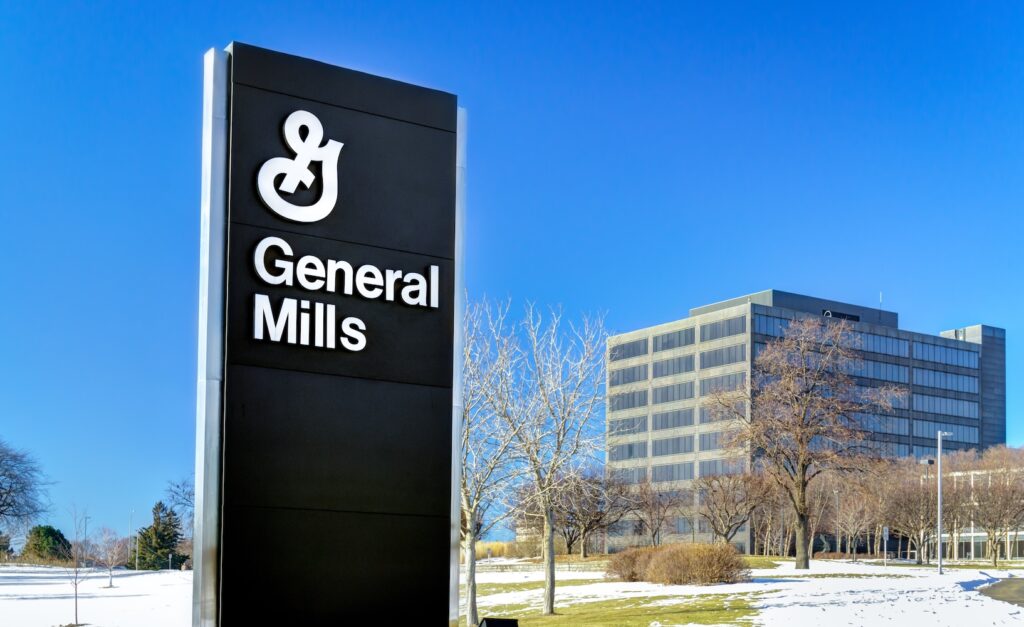
General Mills plans to cut dyes from all cereals and K-12 foods by summer 2026 and remove them from its entire American retail portfolio by 2027. Nestlé said it will eliminate dyes from its U.S. food and beverage portfolio by mid-2026. PepsiCo will relaunch Lay’s and Tostitos without dyes by the end of 2025, while Grupo Bimbo, which makes Arnold and Thomas’ breads, will remove these colors from all products by 2026.
Some companies have already acted.
In-N-Out Burger eliminated dyes from its strawberry shakes and pink lemonade. Tyson Foods finished eliminating these dyes from its products in May 2025. Additionally, Walmart committed to removing the dyes from its private-label foods and beverages by the end of 2025.
Industry trade groups are also involved.
The Consumer Brands Association will stop using these dyes in school meals by 2026 and encourage all manufacturers to remove them by 2027. The International Dairy Foods Association pledged to remove dyes from milk, cheese and yogurt in schools by July 2026 and ice cream and frozen desserts by 2028.
Also, the Hershey Company, Kraft Heinz, Mars, Kellogg and McCormick are among other major players with timelines to drop petroleum-based dyes by 2027.
With the FDA’s backing, this marks one of the largest coordinated food ingredient overhauls of the 21st century.