
New Zealand bans puberty blockers for minors
New Zealand will stop new prescriptions of puberty blockers for minors next month.
The country’s health ministry said it reached the decision after reviewing research behind the drugs and…
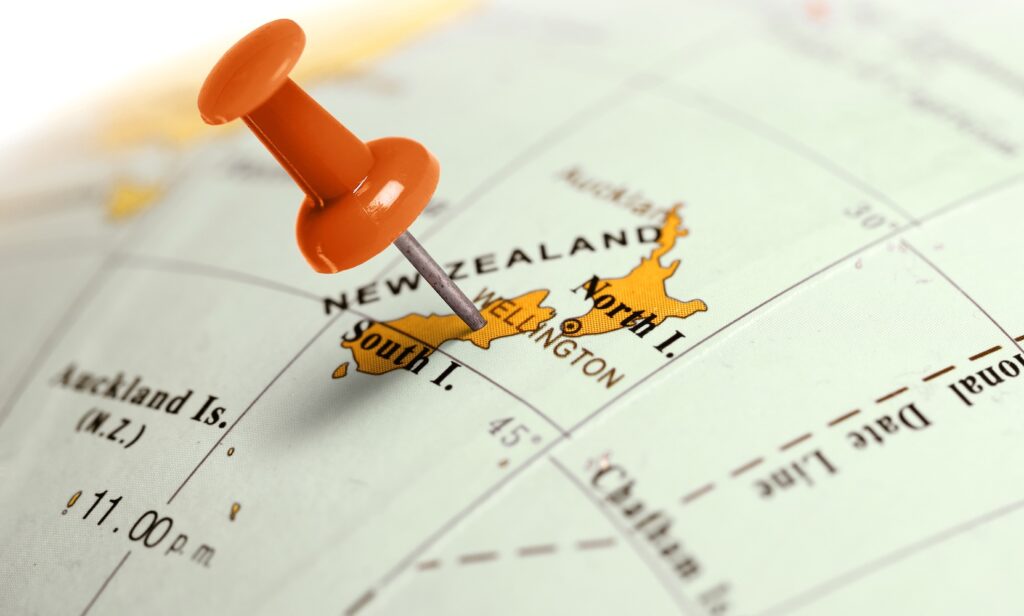
New Zealand will stop new prescriptions of puberty blockers for minors next month.
The country’s health ministry said it reached the decision after reviewing research behind the drugs and finding a shortage of strong evidence about their benefits and risks. The ban takes effect Dec. 19.
Health Minister Simeon Brown said doctors won’t be allowed to start new patients on gonadotropin-releasing hormone drugs for gender dysphoria.
He said the review showed there isn’t “high-quality evidence that demonstrates the benefits or risks.” Current users will not lose access, and the drugs will remain available for other medical conditions such as early puberty, endometriosis or prostate cancer.
The move comes as many nations re-examine how they treat youth gender transitions.
Some European countries have scaled back the use of puberty blockers after long reviews. Supporters of tighter rules say children deserve caution and governments have a duty to protect them while science catches up.
“The use of puberty blockers has never been appropriate – it has effectively been the trialling of experimental drugs on children, and this decision is long overdue,” Bob McCoskrie, CEO of Family First, said in a statement. “With this decision, New Zealand is no longer an outlier when it comes to accepting scientific evidence and ensuring the protection of vulnerable children.”
Critics argue the limits will harm youth who want these treatments. Those arguments have grown more heated as health systems face pressure from activists on both sides.
New Zealand’s numbers have declined in recent years. The health ministry reported 113 people used puberty blockers in 2023, down from 140 in 2021.
Liberal advocacy groups opposed to the ban said it will leave young people without what they consider important treatment. Elizabeth McElrea, vice president of the Professional Association for Transgender Health Aotearoa, said the decision “will lead to worsening mental health, increased suicidality and dysphoria for gender-diverse children and young people.”
McElrea said the change would also increase the chance of “marginalisation and discrimination.”
Opposition lawmakers echoed the concerns of activists.
Labour Party spokesperson Shanan Halbert said families and doctors should make such decisions. He urged the government to give support to those affected.
Currently, nearly 30 states ban so-called gender-affirming care for minors, including puberty blockers.