Philadelphia public schools grapple with transportation woes, strike threats from teachers union
Twin challenges of “labor negotiations and transportation infrastructure” in Philadelphia’s public schools will most affect students who “can least afford further disruption to their…

Twin challenges of “labor negotiations and transportation infrastructure” in Philadelphia’s public schools will most affect students who “can least afford further disruption to their learning,” a new article warns.
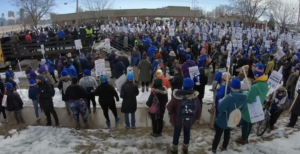
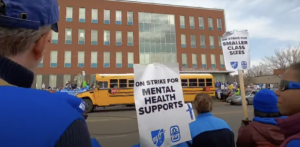
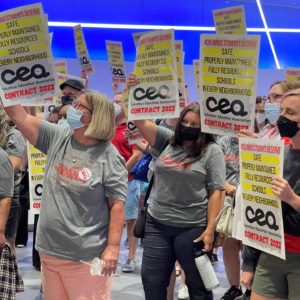
“The Philadelphia Federation of Teachers (PFT), representing 14,000 educators and support staff, voted overwhelmingly in June to authorize a strike if no contract agreement is reached by Aug. 31 — just six days after students return to classrooms,” writes Shruthi Narayanan for the Broad + Liberty news outlet.
Meanwhile, the Southeastern Pennsylvania Transportation Authority (SEPTA) is reducing its overall service by 20% in response to a $213 million budget shortfall starting Aug. 24 – a day before the school year begins.
“These cuts will directly impact more than 55,000 students who rely on SEPTA to reach their schools, with Northeast Philadelphia students facing particularly severe disruptions,” Narayanan notes. “Several specialized school bus lines, known as the 400 series routes that specifically serve schools during peak hours, are among those being eliminated.”
Such an impasse goes beyond inconvenience and stress to Philadelphia families – it “threatens the fundamental promise of public education accessibility,” according to Narayanan.
“As the summer speeds by with negotiations stalled and transportation alternatives scarce, Philadelphia finds itself at an impasse where the resistance of teachers presents looming consequences for students already challenged by years of pandemic disruption and urban violence.”
‘Pennsylvanians are hungry for alternatives’
Ninety-four percent of union members approved the strike authorization over working conditions Narayanan characterizes as “fundamental quality-of-life issues.”
“The union is demanding twelve weeks of paid parental leave for members who currently receive none, significant reductions in class sizes, new caseload limits for counselors and nurses, and an end to the controversial ‘3-5-7-9’ sick leave policy that penalizes teachers for using their allotted time off,” she writes.
“Additional demands include art and music instruction for all grades, libraries in every school, and expanded professional development opportunities.”
However, negotiations are stalling amid a school system laden with plunging enrollment and academic failures. The latest data from the National Assessment of Educational Progress shows a lack of basic math and reading proficiency among Philadelphia eighth graders, as previously reported by The Lion.
“About 7 in 10 Pennsylvania eighth graders cannot read or perform math at grade level,” wrote David Hardy, president of Girard College and founder of a Philadelphia charter school. “This academic crisis is even more dire in Philadelphia, where 82% of eighth graders cannot read at grade level, and 85% aren’t proficient in math. Nearly half of the state’s lowest-achieving schools are in the Philadelphia School District.”
The state’s education department estimates public schools will see a further enrollment drop of 60,000 students by 2028 while homeschool and charter school enrollment has increased, according to Hardy: “Pennsylvanians are hungry for alternatives.”
In the meantime, parents still within the Philadelphia public-school system must grapple with “contingency plans for getting their children to school, should both strikes and service cuts materialize simultaneously,” Narayanan writes.
“This perfect storm of labor unrest and infrastructure failure threatens not just the opening days of the academic year, but the broader stability of public education in America’s sixth-largest city.”