
Psychologist: Removing electronic devices from children’s bedrooms overnight ‘absolutely crucial’ for physical, mental health
Psychologist Jean Twenge is making headlines for her “imperative” stance on electronic devices for children, including her tip to ban smartphones before bedtime.
“If you have the bandwidth…
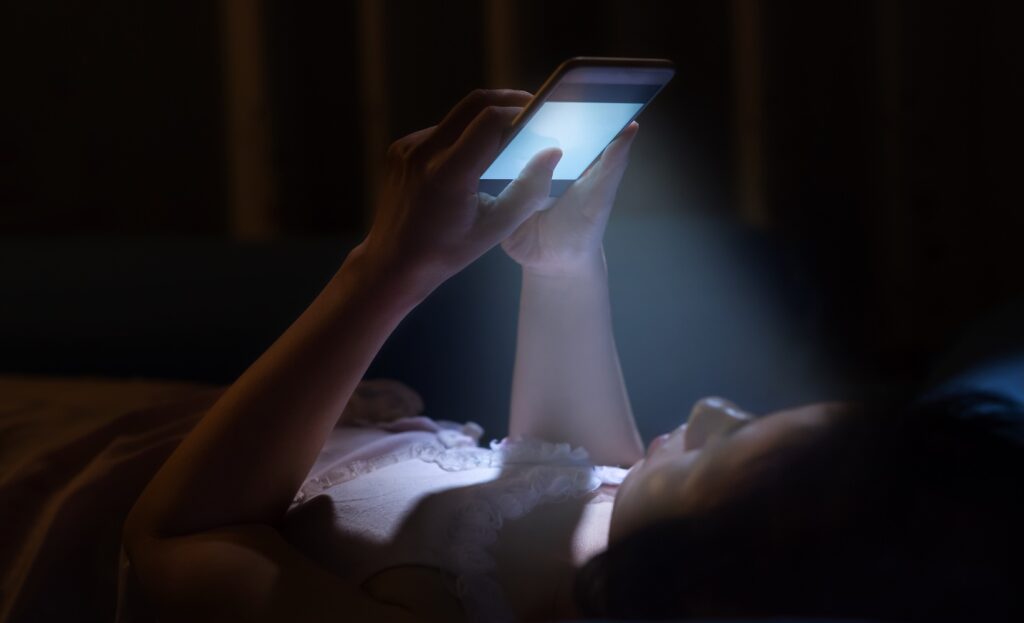
Psychologist Jean Twenge is making headlines for her “imperative” stance on electronic devices for children, including her tip to ban smartphones before bedtime.
“If you have the bandwidth to fully follow only one rule in this book, make it this one,” Twenge writes in 10 Rules for Raising Kids in a High-Tech World, according to CNBC.
“No devices in the bedroom overnight is very straightforward and costs nothing.”
Importance of sufficient sleep
For several years, Twenge has been citing statistics on the dangers of “unlimited access” to smartphones and social media for adolescents – including a connection to increased rates of mental health issues.
“Not getting enough sleep is a risk factor for just about everything we’d like our kids to avoid, from getting sick to feeling depressed,” her book concludes.
The problem of “insufficient sleep” – defined as getting fewer than 7 hours of sleep over a 24-hour timeframe – confronts children and adults nationwide, according to the U.S. Centers for Disease Control and Prevention.
However, a significantly higher proportion of high schoolers – two-thirds of those surveyed – suffered from insufficient sleep compared to one-third of all U.S. adults, the CDC concluded.
“More than two-thirds of adolescents surveyed by Common Sense Media in 2023 reported missing out on sleep ‘sometimes’ or ‘often’ due to using phones or other devices late at night in their bedrooms,” CNBC notes.
The CDC warns lack of sleep “is linked to increased risk of anxiety, depression, obesity, heart disease, injury, and other serious conditions.”
While sleeplessness affects physical and mental health for all age ranges, the consequences are more severe for children, according to CNBC.
“Healthy sleeping habits are even more important for kids, because their brains are still developing. Sleep can help enable their cognitive development and mental health, including their ability to learn and regulate their emotions – traits they’ll need to develop to grow up and become happy, healthy and successful adults.”
“The first few days might be tough’
Twenge acknowledges her policies often receive pushback from children already used to accessing electronics anytime, day or night.
“The first few days might be tough, and you might get some slammed doors,” she said, noting she retroactively banned laptops overnight for her three teenage daughters.
If children are in elementary school, start implementing such policies and discussing the risks of smartphones earlier, Twenge advises.
“Kids are getting these devices younger and younger,” she noted, adding they may see their peers interfacing with such gadgets at school and in the community.
Even if parents have initially allowed smartphones in bedrooms, they can always backtrack for the health and safety of their children, according to Twenge.
“You should be honest with your kid [and say], ‘Look, I made a mistake. I now know more, I’ve learned more, and we’re going to do it differently going forward.’”