Rhode Island at crossroads on school choice, warns education advocate
More than 600 people jammed the Rhode Island State House earlier this month to speak against a bill that would restrict the growth of charter schools.
The legislation is one of several…
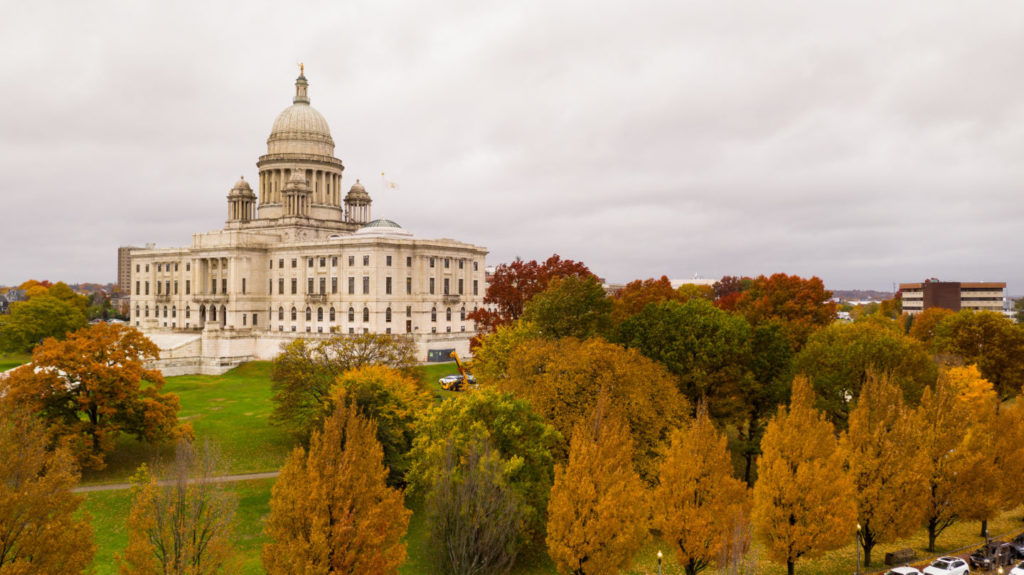
More than 600 people jammed the Rhode Island State House earlier this month to speak against a bill that would restrict the growth of charter schools.
The legislation is one of several attempts in the heavily Democratic state to resist various forms of school choice, writes Julia Steiny, a former Providence school board member and education advocate.
Amid declining public school enrollment, the state faces a choice: embrace educational freedom or allow the system to decline while students suffer, says Steiny.
“These new realities could push the state onto one of two paths: One direction will continue winning the battle to use schools to benefit and protect adults, at kids’ expense,” she wrote in News from the States.
“The other would establish, morally and legally, a new, true north star dedicated to giving every student an equal opportunity to pursue a sterling education, which is not what we’re doing now.”
If public schools were open enrollment and more charter schools were available, more students would remain in publicly-funded schools instead of choosing alternatives such as homeschooling and private school. The Ocean State saw 30,202 applications for 3,170 available charter seats last year, giving families about a 1 in 10 chance of getting in.
Charter schools outperform students’ local districts, research shows, but politicians –including Senate President Valarie Lawson, who is also head of the state’s largest teachers’ union – don’t want more of them.
Lawson is a strong defender of union policies, resisting efforts to modernize and improve the education system by removing hiring-by-seniority requirements when enrollment declines, which she said would “undermine longstanding, collectively bargained rights … teachers have fought hard to secure.”
Steiny’s response: “You mean that once unions have won rights that badly disadvantage students, that’s the end of it?”
There’s more “anti-choice vindictiveness,” Steiny says, including the state providing transportation for private and parochial students but not charter students; local districts withholding money from charter schools “often for dubious reasons,” and no aid for charters to maintain their buildings – something public schools receive.
When students leave for a charter school, “districts and their unions respond to losing popularity by vilifying the charters as if they were the culprits for lowering district enrollment,” Steiny writes, but no one protests when hundreds of students transfer to a career and technical high school because it is unionized.
“These wasteful, embarrassing skirmishes are not just crimes in progress against kids, but they also degrade the quality of our workforce, which is key to attracting business, jobs, philanthropy and opportunities for young people to thrive in good jobs,” she writes.
“Unions fail when, as the private businesses they are, they behave like any other self-serving corporation profiting themselves at the expense of their tax-supported mission.”
In a world where “literally all developed nations have versions of school choice,” as well as 35 of 50 states, reform is needed so that all people, “rich or poor, will be as well educated as possible.”
But in Rhode Island, she says, taxpayers pay union officials who war against education freedom, keeping urban students, in particular, trapped in failing schools.