Tailored education, disability accommodations spur more Virginia families to homeschool
When her son’s local public school held him back from progressing because of a diagnosed disability, Virginia mom Meaghan Montana decided to try homeschooling.
“It really works for him, and I…
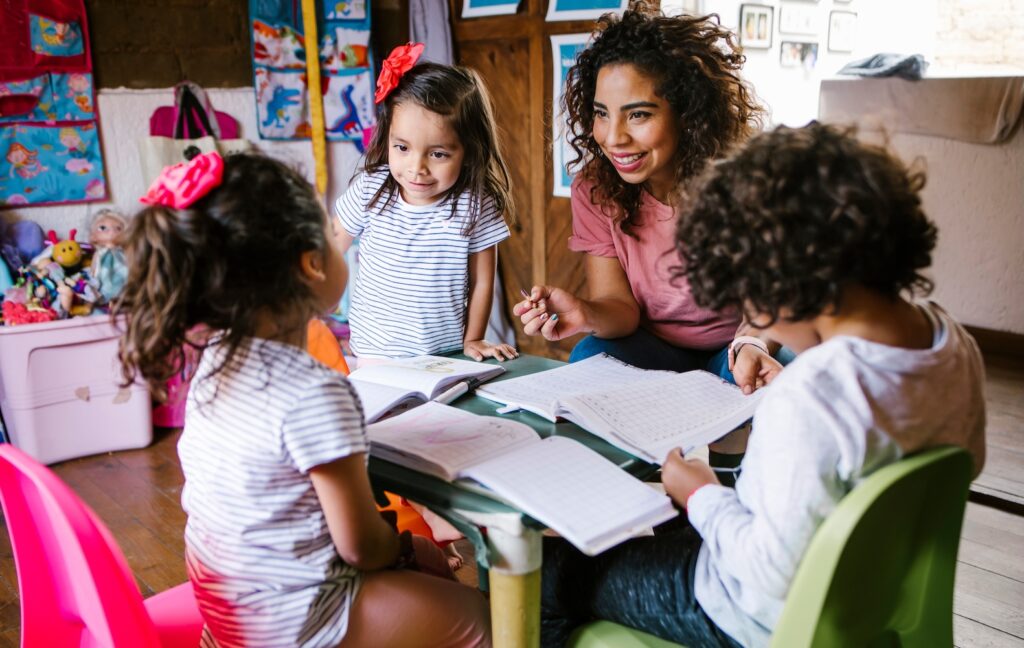
When her son’s local public school held him back from progressing because of a diagnosed disability, Virginia mom Meaghan Montana decided to try homeschooling.
“It really works for him, and I think a lot of kids that have hyperactivity and disabilities and stuff, they should be able to try to do homeschool,” she told the local CBS affiliate. “It’s really important to accommodate for your children.”
After keeping her second grader for a year at home, Montana is already marking his significant academic progress.
“He did very well this year – perfect attendance, very good with math,” she said. “His reading scores came up. He basically caught up with the other kids, where he was lacking when he was in the school environment.”
Montana’s son joined the nearly 63,000 Virginia homeschool students for the 2024-25 academic year – a number increasing by 4% from the previous year, according to the Home Educators Association of Virginia (HEAV).
The state mirrors a nationwide trend where homeschooling has jumped from 3% to 6% of the U.S. K-12 population, with families citing educational outcomes and faith-based values as some of their most common reasons for leaving the public-school system.
‘Beauty of homeschooling’ lies in individual instruction
Many families helped pioneer this educational alternative for relative newcomers such as Montana.
For example, Shannon Lewis has homeschooled her four children since 2003, starting with her oldest son at the kindergarten level “for religious reasons,” according to the CBS affiliate.
“There were no other people in Lunenburg (County) – that I knew – that were homeschooling,” she recalled. “The internet was around, but it wasn’t what it is today.”
Two of Lewis’ sons have already attended college, and her children have enjoyed numerous social opportunities including a homeschool volleyball league.
“Homeschooling allows you to tailor it for each child as they as they need it,” she said. “What works for one does not always work for the other, which is part of the beauty of homeschooling.”
However, the state didn’t always recognize this educational option as legal.
Mary Childress, a resident of Nottoway County, remembers a time when her relatives were convicted by a local judge – and ultimately the Virginia Supreme Court – on charges of not sending their children to public school.
“It’s pretty cool to think that actually, in Nottoway County, is where the first person fought for homeschooling,” she said.
Her relatives were fined $5 in 1948, she said – part of the statewide battle for homeschool freedoms, which ultimately resulted in a 1976 law allowing for religious exemption from compulsory school attendance.
“There’s a schoolhouse that is located right now at the end of my family farm where I’ve always lived,” Childress explained. “My dad remembers going to the schoolhouse, and so they sort of set the precedent for homeschooling to be able to happen because of religious reasons.”