Trump peace plan between Ukraine, Russia moves forward despite sabotage
President Donald Trump dispatched his top Russia-Ukraine peace envoy to Moscow in the wake of reports Ukraine has accepted the terms of a peace agreement outlined by the U.S. president.
Moscow…
President Donald Trump dispatched his top Russia-Ukraine peace envoy to Moscow in the wake of reports Ukraine has accepted the terms of a peace agreement outlined by the U.S. president.
Moscow confirmed the summit with U.S. envoy Steve Witkoff, who may be joined by Trump’s son-in-law Jared Kushner in Moscow. The pair previously collaborated on the successful U.S.-brokered ceasefire and peace plan for the Israel-Hamas conflict in Gaza.
“As for Witkoff, I can say that a preliminary agreement has been reached that he will come to Moscow next week,” Yuri Ushakov, Putin’s foreign policy aide, told Russian state television’s leading Kremlin correspondent, Pavel Zarubin, according to Reuters.
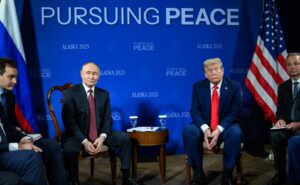
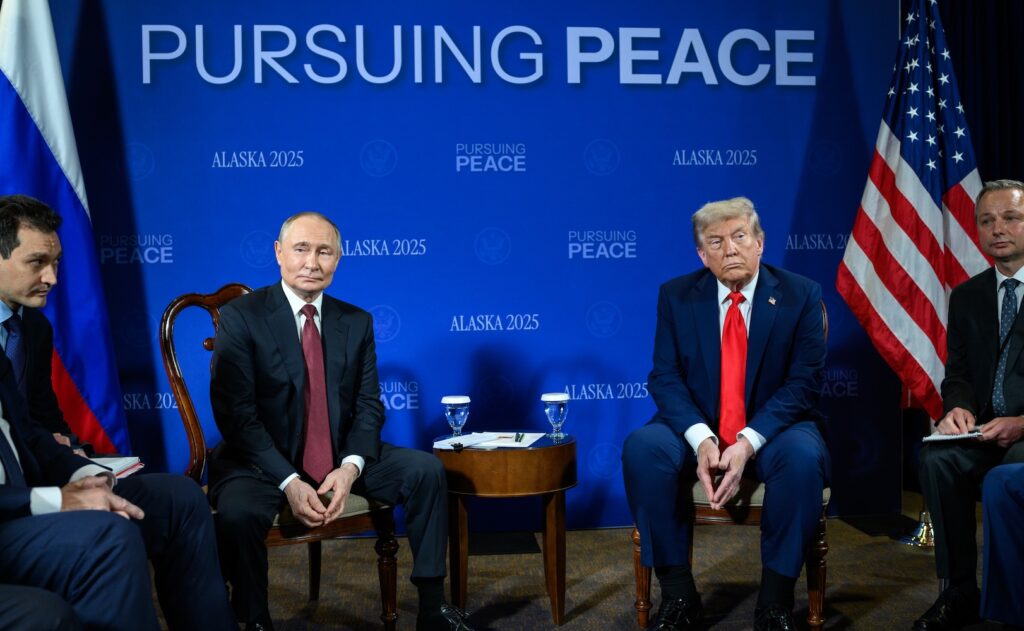
The confirmation came as Trump continued to say direct meetings with Russian President Vladimir Putin and Ukrainian President Volodymyr Zelenskyy are possible only when a final peace deal is agreed upon. Ukraine has confirmed it’s agreed to substantially all the terms of a peace deal.
Trump described the negotiations as producing “tremendous progress” and insisted the United States was closer than people think to ending nearly three years of war.
“Let’s all hope that PEACE can be accomplished AS SOON AS POSSIBLE!” he added.
The president backed away from earlier comments suggesting Kyiv faced a firm deadline to accept the U.S. proposal.
“The deadline for me is when it’s over,” Trump told reporters on Air Force One on his way to his Florida residence, reported Reuters.
A top Ukrainian official publicly confirmed they have agreed to “the core terms of the agreement discussed” with U.S. negotiators.
The statement marked the first time a senior Ukrainian official publicly signaled acceptance of the American outline.
Ukraine’s Zelenskyy has been briefed on the terms of the deal.
His National Security chief Rustem Umerov posting on X said, “We look forward to organizing a visit of Ukraine’s President to the US at the earliest suitable date in November to complete final steps and make a deal with President Trump.”
The latest developments come against the backdrop of an extraordinary leak of a transcript between Witkoff and Moscow on the negotiations.
According to multiple media reports, internal documents leaked to the press showed elements of the American plan were similar to proposals put forward by Russia previously.
The legacy media are focusing on possible Russian influence on the negotiations, reviving familiar claims about Trump’s susceptibility to foreign pressure.
But the White House said the conversations revealed in the transcripts were typical of how peace is created.
“If anyone actually reads this supposed ‘transcript,’ they’ll realize there’s nothing wrong with what was said,” noted White House Communications Director Steven Cheung. “In fact, it shows what a successful negotiator does in order to get a deal done.”
Steven Cheung told The Washington Post that Witkoff is doing what he was appointed to do, saying the envoy speaks with Russian and Ukrainian officials almost daily in pursuit of a peace agreement.
The leaked materials also suggested Witkoff offered advice to Russian contacts on how best to shape messages intended for Trump.
Trump shrugged off Witkoff’s negotiation style, noting real negotiations require frank conversations.
“He’s got to sell this to Ukraine. He’s got to sell Ukraine to Russia,” Trump told reporters, according to the Associated Press. “That’s what a dealmaker does.”
Current and former national security officials said it’s extraordinary someone leaked transcripts of the talks, but has become a troubling part of the opposition to Trump, buried deep inside government.
Legal specialists, diplomats and security experts agree unauthorized disclosure of classified diplomatic communications can fall under the same family of statutes used to prosecute earlier leak cases.
These include the Espionage Act, laws governing communications-intelligence and the theft or removal of classified records.
“This disclosure is not just an attack on America’s foreign policy interests,” Secretary of State Hillary Clinton said about previous leaks of diplomatic conversations. “It is an attack on the international community: the alliances and partnerships, the conversations and negotiations that safeguard global security and advance economic prosperity.”
The Witkoff leak fits a long pattern in which opponents inside the government have tried to sabotage Trump’s diplomacy by leaking classified communications. These leaks didn’t happen to Obama or Clinton in the same magnitude.
In the two years of Trump’s first administration, leaks averaged over 100 per year. The average number of leaks annually prior to Trump was 39, according to data supplied by the Federation of American Scientists.
Taken together, those precedents suggest the Witkoff leak could trigger a full criminal investigation into whoever handled and passed the call recording and draft plan to the press.
With Ukraine publicly signaling support for the core terms and with Witkoff preparing for meetings in Moscow, the prospect of peace by Christmas has brightened considerably.
But a summit involving Trump, Putin and Zelenskyy remains possible only once a final text is complete. American officials say this step will occur if both sides give firm approval to the agreement.