Trump’s higher ed policies could fuel growth at dozens of universities in the Midwest, South
Recent actions by the Trump administration could result in increased scientific research funding to a wider array of universities in the Midwest and South.
Historically, the bulk of the federal…
Recent actions by the Trump administration could result in increased scientific research funding to a wider array of universities in the Midwest and South.
Historically, the bulk of the federal government’s financial support has filtered to a relative handful of East Coast institutions, the Boston Globe reported.
“The system is set up almost to guarantee that that [concentration] happens,” said Jay Bhattacharya, director of the National Institutes of Health, noting 60-65% of his department’s funding stays in about 20 universities.
“The way to combat scientific groupthink is by empowering researchers across the country, no matter where they are, to have a great opportunity if they have great ideas for NIH funding.”
President Trump echoed this sentiment during his commencement address this May at the University of Alabama, which was named in 2018 among universities with the highest levels of research activity nationwide.
“It is clear to see the next chapter of the American story will not be written by the Harvard Crimson,” he predicted as thousands cheered. “It will be written by you, the Crimson Tide.”
‘Growth is good’
The Southeastern Conference (SEC), part of the National Collegiate Athletic Association, consists of 16 universities spanning South Central and Southeastern regions.
They include the University of Missouri and University of Alabama – both of whom are featured in the Globe.
“Even before Trump took office, the SEC schools had been making major gains in securing research dollars and recruiting students from around the country,” the article explains.
“Applications to SEC universities have soared by almost 300 percent since 2001, while elite colleges in New England have seen a smaller 188 percent increase in interest, said Kyle Whitman, chief data scientist of the Carnegie Classifications.”
Whitman also credited SEC schools with successfully recruiting more Northern students.
“There is a broader cultural shift to the Sun Belt right now,” he said. “There’s an attitude there that growth is good.”
While overall NIH funding has declined during the first 128 days of this year, Ivy League schools saw a steeper decline (38%) than their SEC counterparts (10%), journalists noted.
Part of this involves the universities’ track record on antisemitism, which has sparked a federal funding battle for institutions such as Harvard and Columbia.
After Trump passed an executive order combating antisemitism in March, a four-department task force revoked $400 million in grants and contracts to Columbia University, citing “continued inaction in the face of persistent harassment of Jewish students.”
Columbia then pledged to address antisemitism, although Harvard has taken a less conciliatory approach by suing the Trump administration over funding restrictions.
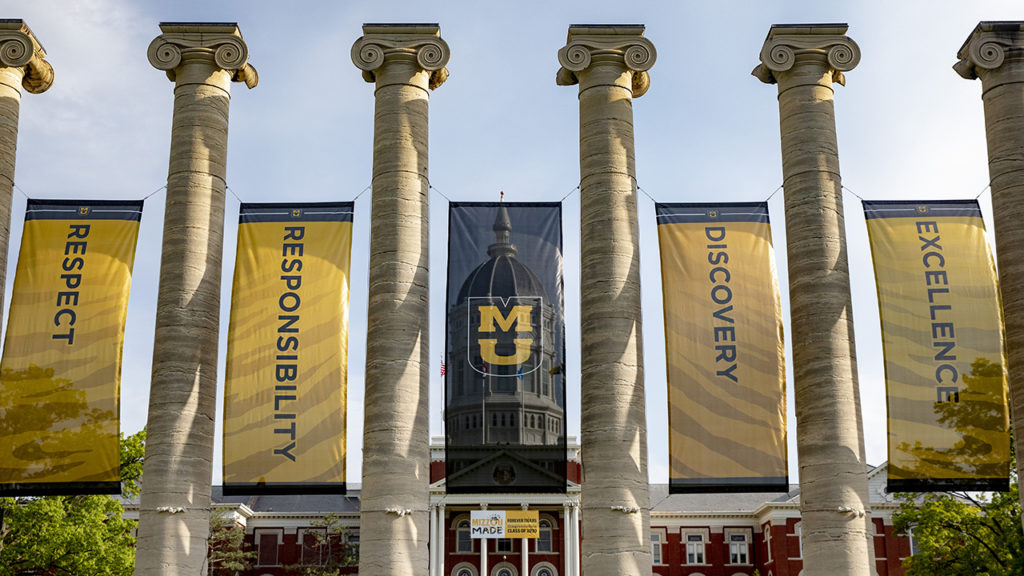
Universities elsewhere can focus on their core offerings without such entanglements, argued Todd Graves, chair of the University of Missouri Board of Curators.
Mizzou officials are “bullish about their prospects” in obtaining hundreds of millions in government funding for its cancer research, the Globe noted.
“A lot of higher education is in a political food fight because they don’t like the flavor of the current leadership,” Graves said. “We keep our head down, we educate the students, we conduct the research, and we don’t try to tell people how to live their lives. We try to make people’s lives better.”
Jay Greene, senior research fellow at The Heritage Foundation, agrees.
“American higher education is going to thrive,” he told the Globe. “It’s just not going to thrive in the same places where it thrived before.”