
Trump’s historic labor reforms axe over 60 regulations, cut costs
The U.S. Department of Labor has announced plans to cut 63 regulations, making good on President Donald Trump’s promise to slash the regulatory burden on American businesses.
If the actions are…
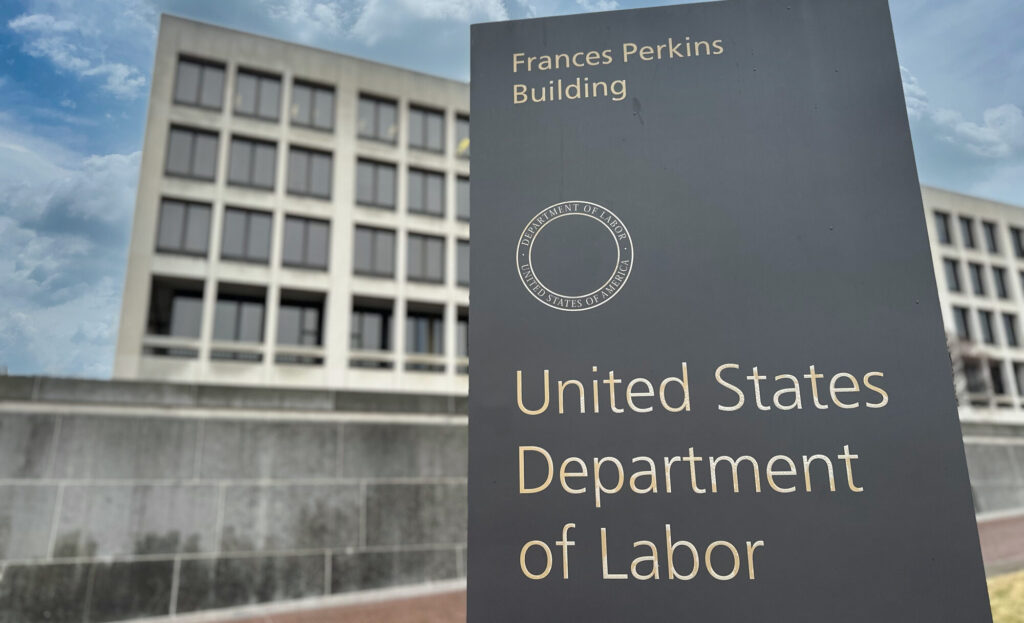
The U.S. Department of Labor has announced plans to cut 63 regulations, making good on President Donald Trump’s promise to slash the regulatory burden on American businesses.
If the actions are approved, it would mark one of the most sweeping reforms on U.S. businesses and consumers since airlines were deregulated in the 1980s, or the telecommunications deregulation of 1996.
“One of President Trump’s very first actions was directing his cabinet to dismantle the mountain of outdated rules that have held back American workers and businesses for far too long,” said Secretary of Labor Lori Chavez-DeRemer.
In his Jan. 31 executive order on deregulation, Trump blamed former President Joe Biden for imposing about $1.7 trillion worth of increased regulatory costs on Americans.
In Trump’s first term, he fulfilled his promise to cut at least two regulations for every new regulation implemented, cutting a total of 538 regulations while issuing just 97 regulations, a 5.5 to 1 ratio.
In his second term, the president has bumped that goal up to 10 regulatory cuts for every regulatory action implemented.
While the original intent to cut 63 labor regulations was announced at the beginning of July, the actual regulations to be cut have been published in the Federal Register on a rolling basis.
The regulations cover home care, mining and construction industries, regulating minimum wages, Occupational Safety Health Administration rules and overtime requirements.
Labor unions have criticized deregulation efforts.
“People are at very great risk of dying on the job already,” Rebecca Reindel, the AFL-CIO union’s occupational safety and health director, told the Associated Press. “This is something that is only going to make the problem worse.”
Critics of airline deregulation in the 1980s supervised by President Ronald Reagan’s administration made the same arguments about safety being jeopardized because of cuts in regulations.
But while airlines have faced significant problems and challenges because of deregulation, safety hasn’t been one of them.
One of the recently announced reform proposals would cut the minimum wage for home care companions, which the Trump administration says will allow elderly people to stay in their homes for a longer period.
The cut would nix an Obama-era change, which a 2020 report found did nothing to substantially increase wages for people in the home companion industry but potentially reduced the number of workers who had jobs working in home care.
Companions are defined as home care workers who spend less than 20% of their work time assisting their clients with daily activities, but are permitted to do things like meal prep.
Under the proposal, employers would still be obligated to follow state minimum wage laws.
Another proposed reform, presented by the media as the loosening of mine ventilation standards, would simply require government regulators to follow laws implemented by Congress regarding mine safety.
Currently mine safety district managers working for the government can impose additional burdens on mine managers for ventilation above standards contemplated under the law.
This discretionary authority is a loophole used by regulators and politicians for potential overreach in cases such as the gas stove bans attempted under Biden, Obama’s designation of concrete as a pollutant, or his expanded definition of watersheds, which put politics over policy.
The Trump administration argues the regulatory overreach by liberals puts leftist ideology above the economic well-being of Americans.
“Overregulation stops American entrepreneurship, crushes small business, reduces consumer choice, discourages innovation, and infringes on the liberties of American citizens,” said Trump’s executive order.
Critics of other broad deregulation efforts, such as airline deregulation and telecommunications deregulation, also initially complained that it would hurt workers and safety.
But in practice, those deregulation initiatives showed these criticisms were unfounded.
Instead, deregulation added substantially to employment and revenues while expanding consumer choice and lowering costs in both industries.