West Virginia districts slammed for ‘systemic failure’ in financial mismanagement, safety violations, academics
A West Virginia think tank has exposed “widespread financial mismanagement, safety violations, and academic underperformance” in nine of the state’s school districts experiencing government…
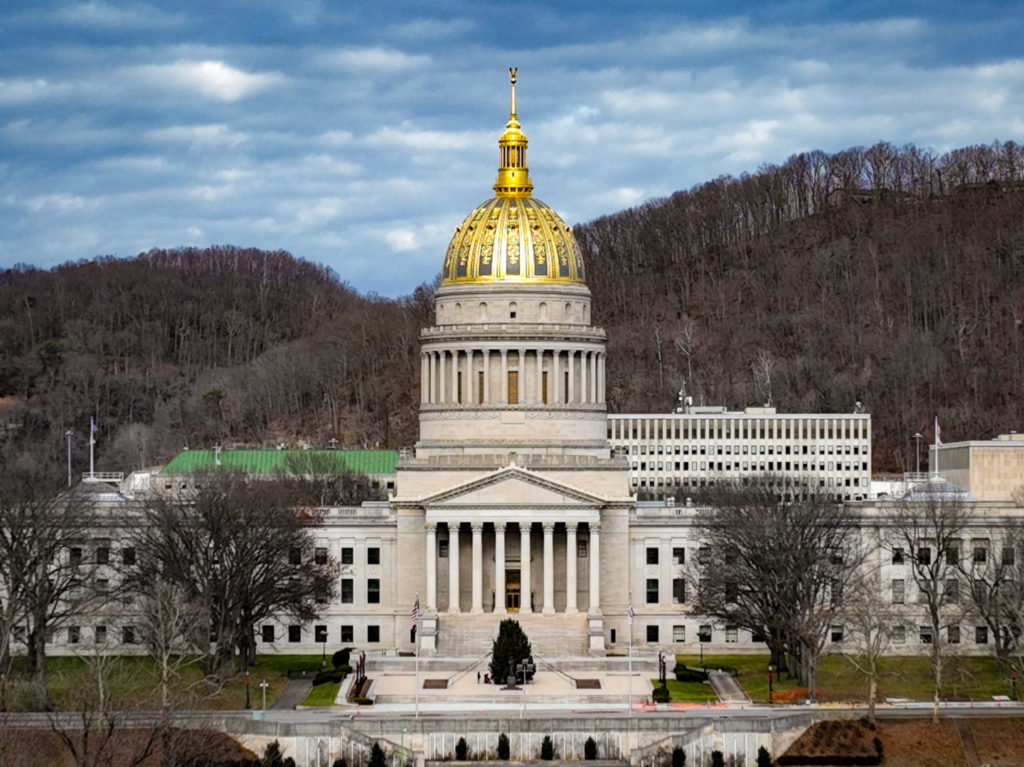
A West Virginia think tank has exposed “widespread financial mismanagement, safety violations, and academic underperformance” in nine of the state’s school districts experiencing government takeovers, the River News reports.
“The nine Special Circumstance Reviews conducted in West Virginia between 2023 and 2025 reveal a troubling pattern of systemic failure that threaten students’ educational rights, the integrity of public funds, and the stability of the state’s public education system,” the report observes in its introduction. “Collectively, these cases underscore the need for strengthened state-level oversight mechanisms, clear statutory safeguards, and enhanced transparency to prevent future governance breakdowns.”
The analysis, released Jan. 20 by the Cardinal Institute for West Virginia Policy, revealed “major financial violations, including a $3.4 million kickback scheme in Boone County and misuse of federal COVID relief and nutrition funds in Upshur County,” according to the news article.
“According to the analysis, overall state education funding has risen from $3.45 billion in fiscal year 2017 to $4.39 billion in 2024, even as enrollment dropped by more than 30,000 students. The report argues the core issue is fiscal discipline rather than funding levels.”
‘Deeply concerning’ safety violations, academic performance
Meanwhile, the report also highlighted “deeply concerning personnel practices that compromised student safety, violated state policy, and undermined public trust” in one district, Nicholas County Schools.
“Central to the findings was the employment of a close relative of the superintendent who was a registered sex offender, a fact disclosed on the individual’s job application,” the report notes.
“The individual began working prior to the completion of the required background check, and the superintendent later acknowledged deliberately avoiding review of the results, stating he ‘knew something would come back and didn’t want to know what it was.’ This admission reflected a willful disregard for student safety and established vetting requirements.”
This superintendent had hired multiple relatives – including those “who were not qualified candidates” – and had given a teaching position to at least one individual who had never held “a valid teaching certificate,” according to the report.
“Required criminal background checks were not conducted for parent volunteers or for teachers transferring from other counties, and expulsion hearings were described as disorganized and inconsistently applied, reflecting administrators limited understanding of governing policy.”
Finally, the report condemned the state’s academic performance outcomes “with only 25% of fourth graders proficient in reading and 31% in math,” the River News reported.
“By eighth grade, proficiency drops further. The report criticizes the state’s skills-based education standards and lack of vetted curriculum oversight.”
By focusing on “generic competencies … detached from specific subject matter,” this skills-based model robs students of a coherent, “knowledge-based” approach to learning, the report’s authors argue.
“Students cannot analyze complex texts, historical events, or scientific concepts without first possessing the relevant background knowledge,” the analysis concludes. “Skills-based systems encourage fragmentation, with each teacher interpreting standards independently and selecting disconnected materials.”
The think tank recommends several changes to the system such as forensic financial audits, “academic turnaround teams” and tighter leadership accountability to ensure meaningful progress.
“The state does not lack resources. It lacks resolve,” the report concludes.
“West Virginia’s students deserve schools where safety is assured, learning is expected, and public resources are used to achieve both. Every day reform is delayed represents another day lost to disorder, stagnation, and diminished opportunity.”