Wisdom from Washington: Why America should heed her first president’s counsel
In honor of President’s Day and George Washington’s birthday, every year, a U.S. Senator reads Washington’s Farewell Address before the chamber, as a reminder that the foundation of…
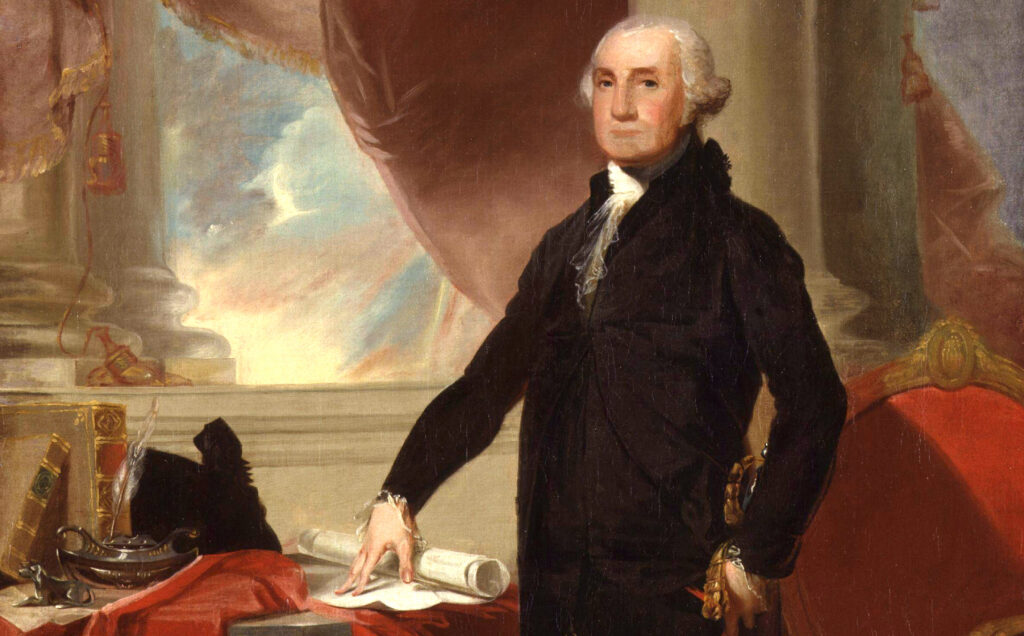
In honor of President’s Day and George Washington’s birthday, every year, a U.S. Senator reads Washington’s Farewell Address before the chamber, as a reminder that the foundation of this country rests not in power, but in character.
In that address, America’s first president expressed his deep love for America, commitment to unity and resolve to protect the republic from internal division and foreign influence. Washington never viewed the presidency as a source of personal power. Instead, he treated it as a duty – one that required self-control, humility and an unwavering commitment to democracy. As America approaches her 250th birthday this July, Washington’s words still challenge citizens to ask whether they adhere to the principles that established this nation.
Washington cautioned citizens against elevating local obligations that overshadow national identity. He warned that when Americans fail to prioritize shared citizenship, a “spirit of revenge” produces “cunning, ambitious, and unprincipled men.”
Unfortunately, sometimes the current political climate resembles the very culture our Founding Fathers sought to avoid. Rather than prioritizing patriotism by seeking the well-being of fellow citizens, some politicians or leaders hyperfixate on every fault in our government and shove progressive policies in their place. As a result, commonalities that once united Americans – such as faith in the Constitution and respect for tradition – are regarded as obstacles rather than assets. Washington warned America that a society without patriotism rapidly loses respect and orientation.
Just as Washington warned apathy produces malice, he also believed foreign entanglements pose great risk. While he believed America should stand as a beacon of hope, he cautioned against alliances that “inveterate antipathies against particular nations, and passionate attachments for others.”
America would do well to heed this advice.
Consider the COVID-19 pandemic, for example, when U.S. authorities often adopted the policies of foreign nations and told the American people to comply without question. Propaganda, deception and fearmongering overwhelmed the public square.
Although Washington did not call for complete isolation, he insisted on an independent mind. A free people, he believed, must think for themselves – rather than mimic global trends.
At the heart of his address, Washington called for unity – not uniformity, but a shared commitment to the American experiment. Without unity, patriotism and freedom cannot prevail. Washington urged every American to see commonalities instead of differences and consider the union as “a main prop of your liberty.”
Washington’s Farewell Address is one of the most widely circulated political speeches in American history. And for good reason. His wisdom remains as relevant now as in 1796. If America aspires to preserve the freedoms that generations have sacrificed for, its citizens would be prudent to reexamine Washington’s words and take them to heart.
Image credit: President George Washington, 1797, Wikipedia Commons