Latest homeschool growth in Pennsylvania, Delaware no longer attributed to pandemic
Homeschooling in Northeastern states such as Pennsylvania and Delaware has been quietly growing after a slight downward trend following the COVID-19 pandemic.
“The number of homeschooled…
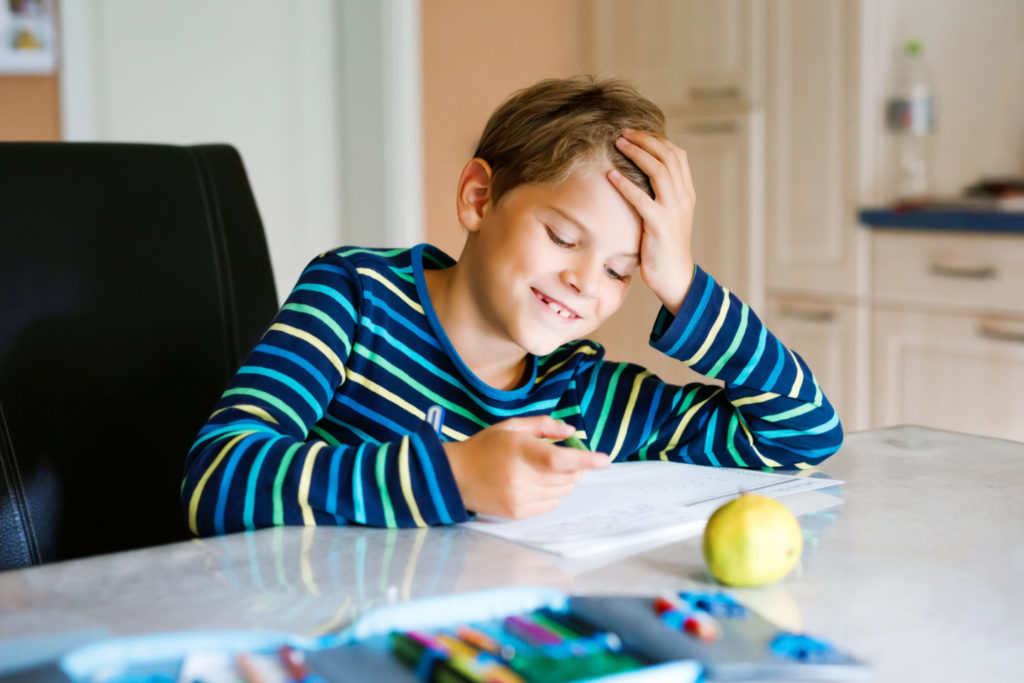
Homeschooling in Northeastern states such as Pennsylvania and Delaware has been quietly growing after a slight downward trend following the COVID-19 pandemic.
“The number of homeschooled students went from just over 25,000 pre-pandemic to more than 41,000 in the 2020-21 school year,” noted the local NBC affiliate for Pennsylvania homeschoolers.
This number dipped in the following two school years but then surged to nearly 43,000 students in the 2023-24 year.
Meanwhile, Delaware saw a similar increase from 3,026 homeschool students in 2018-2019 to 4,246 last year, according to the media outlet.
“We can’t really attribute this growth to the pandemic anymore,” said Angela Watson, director of the Johns Hopkins Homeschool Research Lab.
“Younger children generally have younger parents. And perhaps this younger generation of parents is just more willing to try out something new.”
‘The magnitude of this homeschooling population’
Watson estimates the current wave of homeschoolers at 6% of the U.S. K-12 student population – up from 2% before the pandemic.
“That sounds like a small number, but only about 7% nationally are in charter schools,” Watson said. “And around 9-10% of U.S. students are in private schools. So when you understand these other sectors, you kind of understand the magnitude of this homeschooling population.”
Homeschooling is growing fastest among families who have children between 5-11 years, according to Watson.
One of those families includes the Toners, who bought their home within Montgomery County’s Lower Merion School District in Pennsylvania.
“The plan was public school,” Brynnan Toner told journalists. “We chose a house based on the school district and that was the plan.”
However, plans changed after Toner’s oldest child experienced challenges in his kindergarten year, she said – just before the COVID-19 pandemic hit.
“It was a little bit of an opportunity for us to rethink: ‘OK, what do we want to do and what should his educational experience look like?’”
Now Toner, who has a degree in public health, teaches her three children in second, fourth and sixth grades at home.
“I basically just stay one step ahead,” she said regarding homeschool lesson plans. ”There are some things that I’ve had to relearn. Math is taught really differently than it was when I was a kid.”
NBC reporters expressed concerns over the range of homeschool oversight, which differs by state.
However, national research hasn’t demonstrated any correlation between homeschoolers’ academic achievement and the level of state oversight.
“Degree of state control and regulation of homeschooling is not related to academic achievement,” notes the National Home Education Research Institute, adding homeschoolers typically score 15-25 percentile points above their public-school peers on standardized tests.
Additionally, homeschoolers regularly engage in social and educational activities outside their homes and within their communities, according to the institute.
“Research facts on homeschooling show that the home-educated are doing well, typically above average, on measures of social, emotional, and psychological development.”