Michigan bills would eliminate school-based property taxes for people who don’t use public education
No one should be forced to fund government systems they don’t use – especially when those systems are failing their communities, a Michigan lawmaker…
No one should be forced to fund government systems they don’t use – especially when those systems are failing their communities, a Michigan lawmaker argues.
“Michigan taxpayers deserve fairness in how their hard-earned money is spent,” Rep. Steve Carra, R-Three Rivers, said in a release. “It’s fundamentally unjust to force people – including seniors, empty-nesters, those who pay for private school, and those without children – to subsidize a government education system they do not use. This is especially unfair because our broken system spends a record amount of money yet results continue to plummet.”
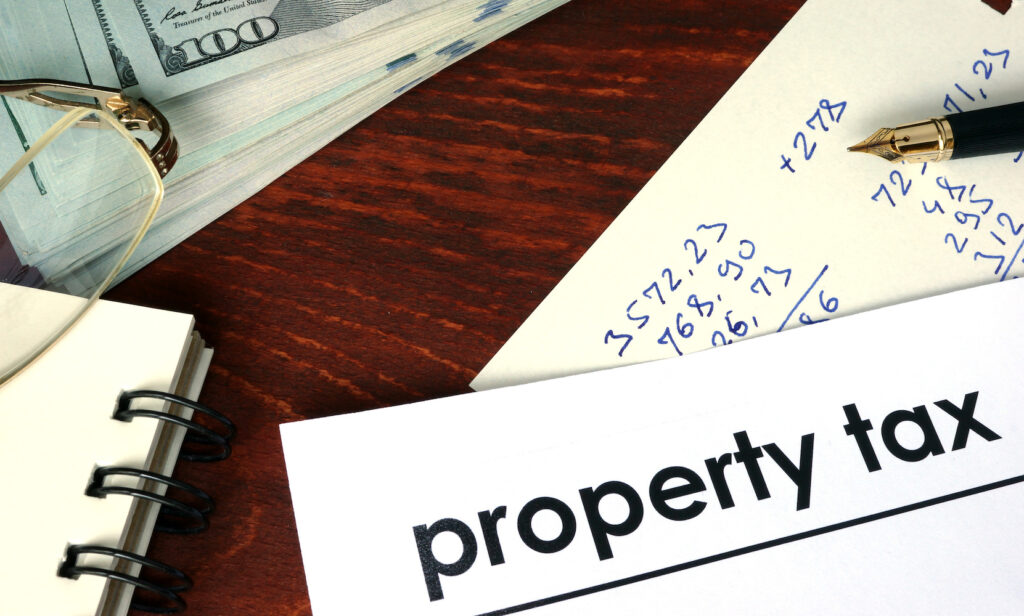
To achieve these goals, Carra has written a four-bill package exempting property owners from school-based property taxes if none of their dependents use a taxpayer-funded K-12 school.
“This would begin with a 40% property tax reduction in 2027, with taxes dropping by 15% each year until school-based property taxes are fully eliminated for people without students in the public school system in 2031,” the local Fox affiliate reported.
‘Government overtaxes and under delivers’
Although the Wolverine State spent an average of $21,629 in 2024 per student, about 72% of households don’t have a child in government-funded schools, Carra noted in the release.
“In typical fashion, the government overtaxes and under delivers when it comes to education,” he concluded. “This legislation is a step in the right direction because it helps restore fairness and provides substantial tax relief for those who are not using the government service.”
Meanwhile, academic outcomes for the remaining enrolled students have plummeted: “Despite record funding, 4th grade reading proficiency has dropped to 44th in the nation, demonstrating a disconnect between funding and results.”
As previously reported by The Lion, the Invest in MI Kids coalition urged taxpayers in July to approve a constitutional amendment for the state to raise an additional $1.7 billion in school funding.
However, the request comes amid record-high spending alongside what the Mackinac Center for Public Policy described as “abysmal” academic performance.
“The Invest in MI Kids coalition has yet to address several questions,” argued Michael J. Reitz, the center’s executive vice president. “Given Michigan’s record spending, why are students performing so poorly? What would another billion in education spending produce? How much will it boost student performance? How will it affect graduation rates? What are other states (Mississippi, perhaps) doing that we should mimic?”
Instead of chasing more funds, the state should review “pork-barrel spending” loopholes in current fiscal policies, according to Reitz.
“If Michigan lawmakers wish to spend another billion dollars on education, they could do so without a dime in new taxes,” he wrote.
“Before Michigan voters agree to higher taxes, they deserve real answers about where the money is going and why the billions we spend today produce so little.”