
Moms in need find shelter, family, gospel at residence-style maternity homes
Jessica arrived at Hope Garden’s door with a toddler on her hip, all her belongings packed in her car, and another baby due to arrive any day.
“I came here nine months pregnant, and I…
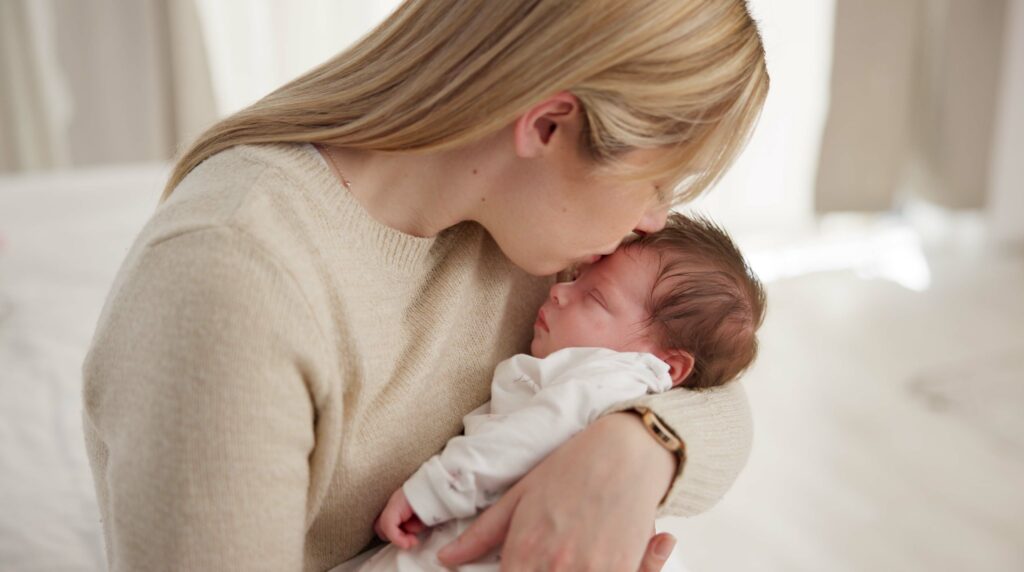
Jessica arrived at Hope Garden’s door with a toddler on her hip, all her belongings packed in her car, and another baby due to arrive any day.
“I came here nine months pregnant, and I was scared, exhausted, and unsure of what would come next,” she writes. “But what I was met with was warmth, respect, and encouragement.
“Hope’s Garden is where I found safety, healing, and a second chance at life for myself and my children. The women who work here don’t just do their jobs, they build relationships, believe in you, and walk beside you every step of the way.”
Hope’s Garden is the only maternity home in Clackamas County, Oregon. Its name represents the idea that God will grow seeds planted there. The home offers rooms for up to three mothers and their babies or toddlers up to 2 years old.
“Maternity housing is free, comprehensive housing and life-support transformation in a family style residence,” Director of Community Outreach Aubrianne Trout told The Lion in an interview.
She explained how maternity homes are a “long-term solution” for moms to live in a residential home and gain independent skills. During their two-year stay, women complete a “life transformation program.” Staff teach these moms necessary life-tasks such as cooking, cleaning and parenting techniques, and encourage them as they undergo education certification, job placement or driver’s license acquisition.
“We are there to holistically support these moms during the most vulnerable periods of their lives,” Trout said. “And in doing so, the positive byproduct is that their babies are inculcated in the womb and outside the womb from trauma and hard things that would have come with that mama and her baby being homeless or in a domestic violence situation.”
Hope’s Garden aims to model “elements of real-life” to assist women in gaining independence so they can still provide for and support their children after leaving the residence, Trout said. Because of this, staff do not provide childcare but instead help moms find daycare programs or nannies so they can continue this care after leaving.
But the women are far from alone. The house mom and manager, “Mama Avery,” lives in residence to help women through sleepless nights, Trout said. Hope’s Garden also incorporates family meals as a daily part of living in the home.
“The family-style size is what allows us to have the face-to-face, day-in and day-out, accountability and loving relationships with these mamas and their babies,” Trout said.
Many of the moms reference the family meals as their favorite part of Hope’s Garden, she said.
“When you come from trauma and abuse, the daily rituals that are so commonplace to people who have lived lives of stability – those special, commonplace routines are very stabilizing,” she continued. “And when you have not had that, you realize what a loss it was and how valuable it is to sit down and have dinner as a family.”
In addition to the meals, Hope’s Garden hosts in-home Bible studies and worship music is always playing. Incorporating faith into the home is essential to demonstrate Christ’s love for these women and to provide this stability for them and their children that will sustain them beyond the two-year stay, Trout said.
“It is very important that faith is the foundation to everything that we do,” she explained. “We don’t want to compromise on the fact that we love Jesus, and that we know Jesus loves these moms and these babies more than we ever could. And patterning that for their children is the greatest gift that we and these moms could give the kiddos.”
As part of this faith element, the program at Hope’s Garden connects every mom with a local church, under the leadership of a pastor, Trout said. The women can also seek additional counseling for “extra biblical support,” she added.
“Our House Mom does goal setting with all the mamas as well to make sure that they are living in alignment with biblical values and that they’re working towards a job, working towards furthering their education and learning parenting techniques all along the way,” she said.
Hope’s Garden doesn’t take any federal funding, and every staff member is a Christian, Trout said. She said one of her favorite parts of working there is being “a witness to firsts” – first born babies, first steps, first words, or even first jobs or drivers’ licenses for the moms.
She’s also hoping to finish garage space to accommodate two more moms and their babies.
“We found that maternity housing is a wildly effective, comprehensive answer to many of society’s biggest social problems,” she said.
Heartbeat International launched a Maternity Housing Coalition, which supports “life-affirming” and “Christ-centered” maternity homes by providing training, tools and connecting various locations, according to its website. Roughly only 500 maternity homes exist across the U.S. – a 17% increase from 2022 – according to Heartbeat International’s Impact Report.
“We’ve also found that very few people know what maternity housing is, so it’s very important to Hope’s Garden that we uplift maternity housing as a whole, not just for ourselves, but for the hope that thousands of these homes will open up across the country,” Trout said. “Right now, the need is massive, and we can only serve so many.”