North Carolina, Michigan still suffering from pandemic learning loss
The latest K-12 standardized test scores are in, and they show several states still lag behind pre-COVID-19 pandemic numbers.
North Carolina and Michigan both released their annual reports…
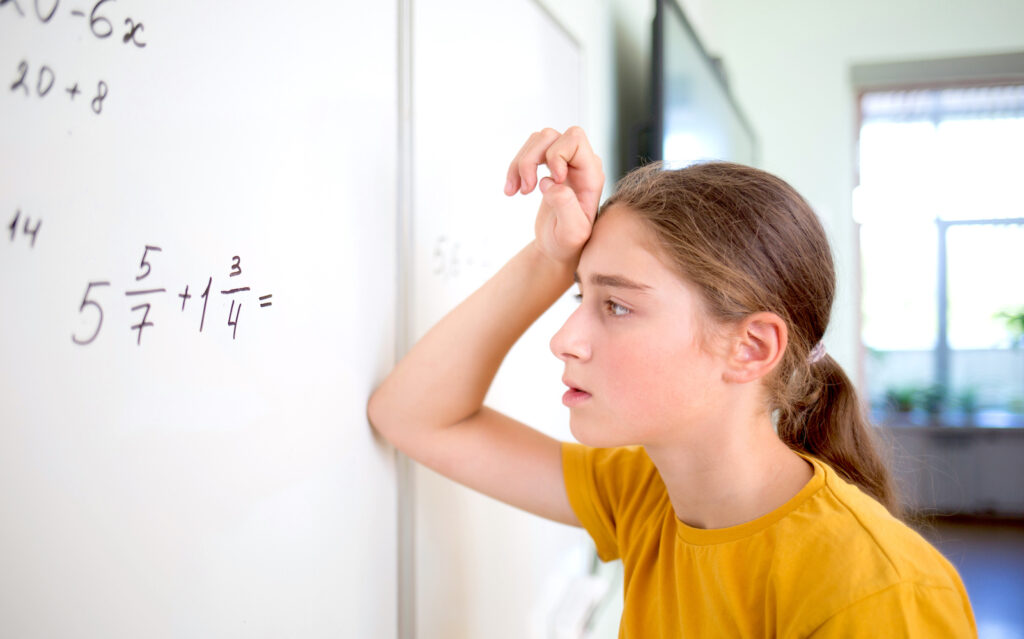
The latest K-12 standardized test scores are in, and they show several states still lag behind pre-COVID-19 pandemic numbers.
North Carolina and Michigan both released their annual reports showing academic improvement from the previous year, but proficiency marks remain lower than before the pandemic.
In North Carolina, 54.6% of students were proficient in math in 2024, an increase of 1.5% from the previous year but a 4% decrease from 2019, when 58.6% of students were proficient.
Similarly, the state’s reading scores were 50% or five points higher last year than in 2021 but seven points lower than in 2019.
State Superintendent Maurice Green celebrated the learning gains while emphasizing the need for improvement.
“I’m proud of our students and educators who have worked hard to improve these metrics,” Green said in a press release. “While the progress and growth shown in these reports deserves praise, we must continue our work to promote excellence for all students.”
North Carolina faced special challenges last school year as many schools lost instructional time because of Hurricane Helene.
Meanwhile, Michigan’s proficiency rates are even worse – even though the Wolverine State spends $4,000 more per pupil than North Carolina.
Only 42% of Michigan’s fourth graders read at grade level. In 11th grade, just over half (55%) of students scored proficient or above.
Math scores are even more dismal, with just 27.5% of high school juniors attaining grade level.
“It is noteworthy that in many grades, Michigan students posted the highest math and ELA proficiency rates in the last three school years,” said State Superintendent Dr. Michael F. Rice. “However, ELA scores in grades 3 and 4 remain a concern.”
Rice emphasized the importance of the science of reading for early literacy, as well as smaller class sizes for low-income students and more in-person instruction.
Nevertheless, state leadership acknowledged the need for more reforms.
“Today’s M-STEP results underscore an urgent truth: too many Michigan students are still not getting what they need to succeed,” said Pamela Pugh, president of Michigan’s State Board of Education. “We need a legislature that puts students over politics.”
Despite providing thousands more in per-pupil funding, Michigan ranked significantly lower than North Carolina in education. According to the U.S. News & World Report, North Carolina is #12 in the nation for education, while Michigan is #45.
While many factors influence education quality, one of the most important involves education freedom – a family’s ability to choose the setting that best suits their child.
In the American Legislative Exchange Council’s recent education freedom index, North Carolina ranked 12th with a “B” grade. It received high marks for its school choice programs and quality charter schools.
In comparison, Michigan received a grade of “C-” and ranked 26th. It drew criticism for its poor open-enrollment policies and lack of school choice programs.