‘Panda’ parenting gains traction with goals to promote independence, responsibility, self-esteem
Stop hovering, helicopter moms. It’s time to practice “panda” skills, according to a growing chorus of families dissatisfied with current parenting philosophies.
Panda parenting is…
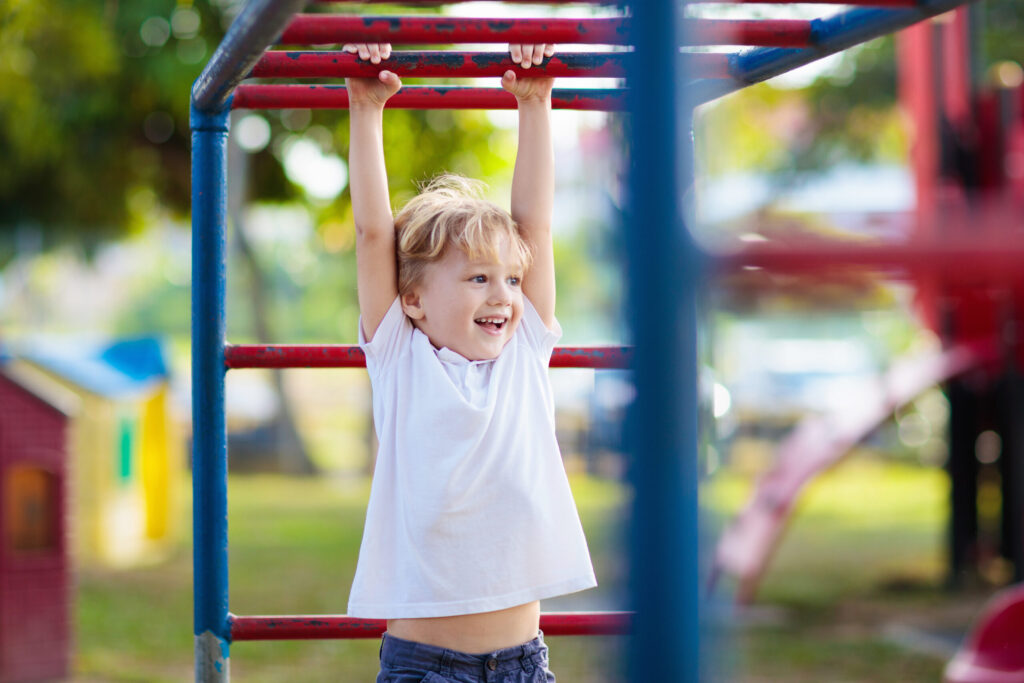
Stop hovering, helicopter moms. It’s time to practice “panda” skills, according to a growing chorus of families dissatisfied with current parenting philosophies.
Panda parenting is nurturing children, but giving them the trust and independence to make decisions and to learn from them.
“Panda parenting, an answer to the flawed helicopter parenting style, is an approach that promotes independence, personal responsibility and healthy self-esteem,” writes Emma Singer for the PureWow multimedia brand.
Enter Esther Wojcicki, author of How to Raise Successful People and sometimes called the godmother of Silicon Valley. Her daughters include the late Susan Wojcicki, former YouTube CEO, and 23andMe co-founder Anne Wojcicki.
“Unfortunately, helicopter parenting – though it’s done from a place of concern and a desire to help one’s child as much as possible to be successful – ends up with the opposite result,” Singer notes, “where kids feel that they always need help in order to be able to do something.”
The parenting TRICK method
Wojcicki named her approach after the panda because of its “very nurturing nature, which is counterbalanced with a hands-off approach that encourages independence and exploration,” according to Singer.
“Step back and encourage your kid to resolve their own issues whenever possible, so long as it doesn’t compromise their physical or psychological safety. This parenting philosophy might be mistaken for laziness, but that misconception applies to the wild animal it’s named after … they give their young the space they need to grow.”
In her book, Wojcicki explains her parenting TRICK method – trust, respect, independence, collaboration and kindness.
“Respect doesn’t mean allowing a kid to do whatever they want,” Wojcicki clarifies. “It means respecting their ideas and listening, and having discussions to figure out how to give them as much independence as possible.”
Unhealthy consequences from creating ‘sense of dependency’ in children
Wojcicki also blames “increasing rates of teen substance abuse” as one consequence of “the sense of dependency that results from having helicopter parents,” Singer notes.
Such a philosophy dovetails with recent research finding greater numbers of U.S. parents experience difficulties leaving teens alone for even short periods of time, while mental health problems among youth are at all-time highs.
“A new poll finds that less than half of U.S. parents feel comfortable leaving their teenager alone in a hotel room while they grab breakfast,” writes Sujata Gupta for Science News. “Fewer than a third would let their teen walk alone to a coffee shop. And only 1 in 5 would be okay with their teen wandering solo around an amusement park.”
At the same time, the nation is experiencing “a decades-long uptick in teen mental health problems,” the article noted.
“It’s absolutely no surprise to me that we are seeing these dramatic rises in anxiety, depression, even suicide among teenagers,” said Peter Gray, research professor of psychology at Boston College.
Gray and his colleagues found modern-day children in Western countries – compared to former generations – tend to hold fewer part-time jobs or go to school alone, according to Gupta.
“Other research shows that parents report increasing discomfort with letting their kids engage in risky, unsupervised play. …
“Adults need to flip the script from protecting teens from all dangers to helping them practice life skills, such as riding public transit, knowing what to do when approached by a stranger or ordering a sandwich on their own.”