RFK Jr. vouches for faith-based recovery programs
Health and Human Services Secretary Robert F. Kennedy Jr. said faith and community are key to helping people overcome addiction, drawing on his own addiction recovery as he backed renewed federal…
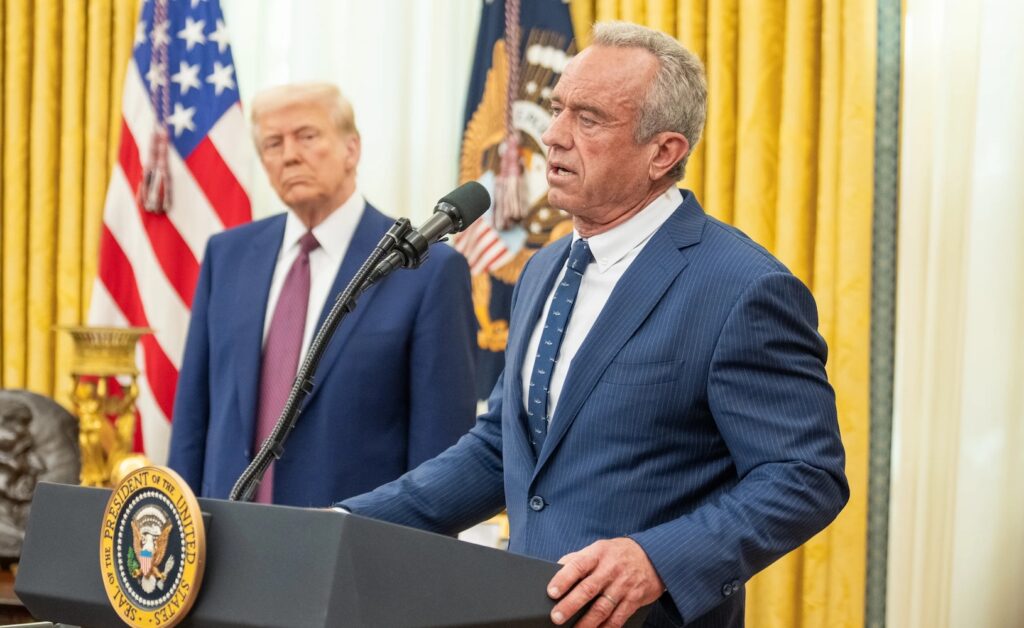
Health and Human Services Secretary Robert F. Kennedy Jr. said faith and community are key to helping people overcome addiction, drawing on his own addiction recovery as he backed renewed federal support for faith-based programs.
Speaking at the 2026 Conservative Political Action Conference Saturday, Kennedy described addiction as deeply tied to isolation and said effective recovery must address both social and spiritual needs.
“One of the things that I learned from my own experience with addiction recovery is addiction is a disease of isolation,” Kennedy said, adding that the country is facing “an epidemic of isolation.”
Kennedy said rebuilding community connections is important, but not enough on its own. He emphasized how recovery also requires a deeper internal change rooted in faith.
“I believe that I was born an addict, that I’m hardwired to drink and drug myself to death,” he said. “And in order to overcome that kind of biological drive, you need a spiritual fire.”
Kennedy struggled with heroin addiction for about 14 years, starting in his youth. He repeatedly tried to quit.
He later credited a renewed belief in God and participation in a 12-step program with helping him achieve long-term sobriety. He has now been sober for more than 40 years.
He pointed to the origins of Alcoholics Anonymous, noting its reliance on surrender to God and its goal of producing a “spiritual awakening.” Kennedy said those principles remain relevant today as policymakers consider how to address addiction nationwide.
His comments also come as the federal government shifts its approach to funding recovery programs. Kennedy said the Biden administration excluded faith-based programs from receiving federal support, which he argued ran counter to evidence about what helps people recover.
Kennedy described a recent example in which religious expression was discouraged in a treatment setting.
He said a friend told him a recovery program kicked her son out for discussing God.
Such incidents, Kennedy said, show ongoing tension between secular liberal institutions and those who see faith as vital to recovery. Although many programs focus on clinical treatment, Kennedy argued the approach does not always help people seeking meaning and accountability beyond themselves.
Under a new executive order from President Donald Trump, Kennedy said federal funding will once again be available for “faith-based recovery” programs. The announcement drew applause from the CPAC audience.
Kennedy described the shift as a return to approaches emphasizing both personal responsibility and spiritual renewal, alongside medical care. He said lasting recovery requires more than government services alone.