
Supreme Court to kick off New Year with major cases, including on transgender athletes in female sports
Transgender athletes in women’s sports will take center stage as the Supreme Court kicks off 2026 with a blockbuster docket including two high-stakes transgender cases poised to set nationwide…
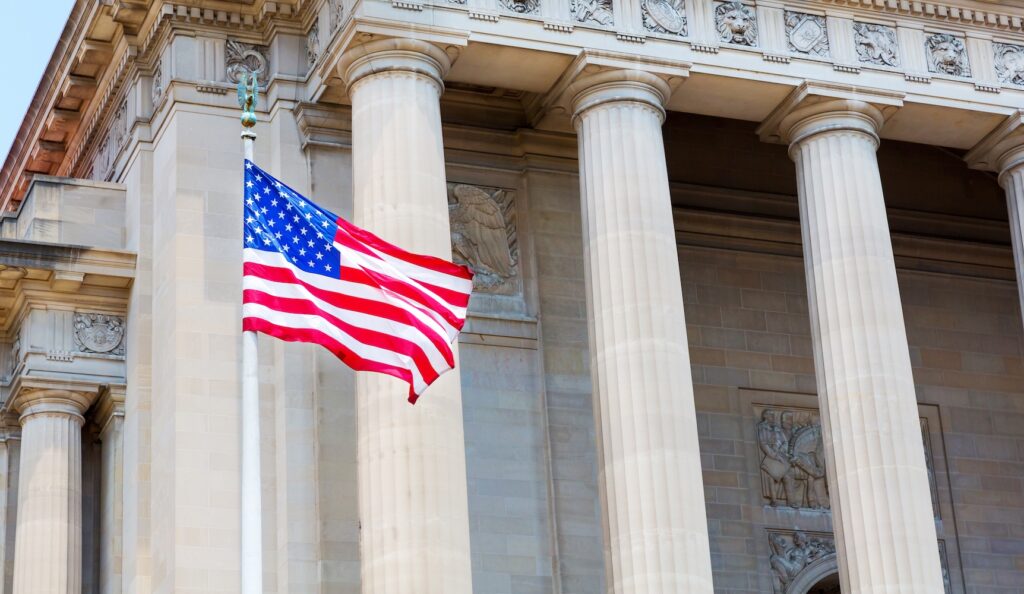
Transgender athletes in women’s sports will take center stage as the Supreme Court kicks off 2026 with a blockbuster docket including two high-stakes transgender cases poised to set nationwide precedent.
The two cases – Little v. Hecox, out of Idaho, and B.P.J. v. West Virginia – are brought by transgender students who are challenging the states’ bans on biological males competing in female sports. The justices will hear arguments on Jan. 13 over whether the state bans violate the equal protection clause of the 14th Amendment.
Idaho
Idaho’s case challenges the state’s Fairness in Women’s Sports Act, which the state has defended as a necessary measure to protect biological females from being forced to compete against biological males who identify as female. The Legislature found there are “inherent differences between men and women” that lead men to generally have stronger bones, larger hearts, greater lung volume, and higher levels of testosterone, resulting in “higher speed and power during physical activity.”
Idaho defended its law in a filing to the Supreme Court after the Ninth Circuit, finding that the Equal Protection Clause bars Idaho from drawing sex-based distinction, upheld an injunction against the state ban.
“Women and girls have overcome decades of discrimination to achieve a more equal playing field in many arenas of American life – including sports,” a filing for the state reads. “Yet in some competitions, female athletes have become bystanders in their own sports as male athletes who identify as female have taken the place of their female competitors – on the field and on the
winners’ podium.”
The state defends its law as addressing “injustice,” noting it is one of more than two dozen similar laws across the country, consistent “with longstanding government policies preserving women’s and girls’ sports due to the ‘average real differences’ between the sexes.” From Olympic swimmers to high school sprinters, women and girls in recent years have been “shoved aside by male athletes benefiting from obvious physiological advantages,” it notes.
Idaho’s ban is part of the state’s “sovereign interests in protecting spaces reserved exclusively for tens of millions of female athletes,” the filing reads, urging the Supreme Court to urgently weigh in to resolve lower court differences on the topic.
Opponents of the state law involved in the case, including the American Civil Liberties Union, call it an “anti-trans” law that imposes “an outright ban on participation of transgender student athletes.”
West Virginia
The Supreme Court will also hear a similar controversy in B.P.J. v. West Virginia, which centers around the state’s Save Women’s Sports Act. The state is defending its law after the Fourth Circuit ruled against it. In a filing to the Supreme Court, West Virginia, like Idaho, argues there are “inherent physical differences” between biological males and females.
“The people of West Virginia know that it’s unfair to let male athletes compete against women; that’s why we passed this commonsense law preserving women’s sports for women,” West Virginia Attorney General JB McCuskey said in a statement, noting the law complies with the Constitution and Title IX. “And most importantly: It protects women and girls by ensuring the playing field is safe and fair.”
Alliance Defending Freedom, which is supporting both Idaho and West Virginia in court, said activists are continuing a “quest to erase differences between men and women by forcing schools to allow men to compete in women’s sports.”
“This contradicts biological reality and common sense,” ADF President Kristen Waggoner said in a statement. “We should be seeking to protect women’s sports and equal opportunities, and West Virginia’s and Idaho’s women’s sports laws accomplish just that.”
The larger picture
The arguments will unfold as the transgender issue has been a major topic of the Trump administration, with President Donald Trump signing an executive order to keep men out of women’s sports early in his second term.
Allowing biological men to compete against females is “demeaning, unfair, and dangerous to women and girls, and denies women and girls the equal opportunity to participate and excel in competitive sports,” the executive order read.
Polling indicates a majority of Americans agree that transgender athletes should play on a sports team that aligns with their biological sex.
“Sixty-nine percent of U.S. adults continue to believe that transgender athletes should only be allowed to play on sports teams that match their birth sex, and 66% of Americans say a person’s birth sex rather than gender identity should be listed on government documents such as passports or driver’s licenses,” recent Gallup polling notes.
Among Republicans, 90% believe transgender athletes should play according to their biological sex, while 72% of independents and 41% of Democrats say the same.