Washington district ponders elementary closures to ‘right-size’ long-term operations
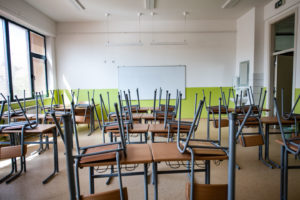
A Washington district is planning to “right-size” its elementary offerings for the next decade after years of declining enrollment – forecast to continue as birth rates keep…
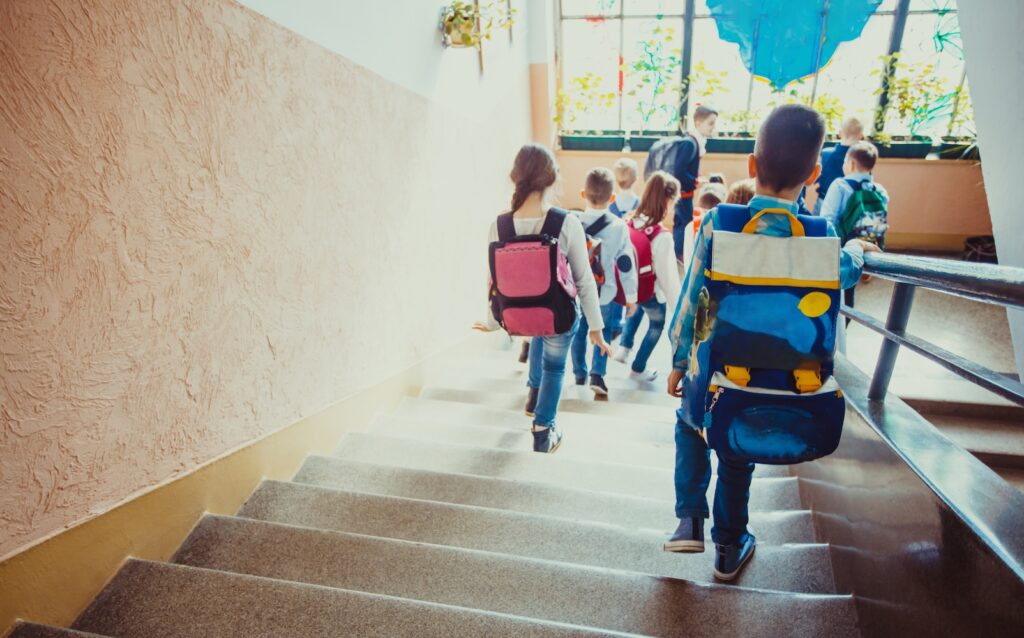
A Washington district is planning to “right-size” its elementary offerings for the next decade after years of declining enrollment – forecast to continue as birth rates keep falling.
“State data shows that Whatcom County’s birth rate now sits at 8.48 births per 1,000, a decline from about 11 births per 1,000 people 20 years ago,” writes the Cascadia Daily News about Bellingham Public Schools.
“There’s long been a ‘consistent relationship’ between birth rates and kindergarten enrollment in Bellingham, said Jessica Sankey, the district’s chief operations officer.”
Enrollment is expected to continue falling through 2035, with the district forming a new committee to “draft recommendations on elementary school use for the years 2026-36,” according to the article.
“Options on the table include adjusting attendance boundaries, consolidating programs and closing ‘one or more elementary schools.’”
State Superintendent Chris Reykdal ascribed about 30% of the decline to private school and homeschool enrollment, and 70% to a “demographic challenge.”
“We have roughly 85,000 kids who are in their junior year and senior year each year,” he said at a January press conference. “We have far fewer five-year-olds coming into the system.”
‘Poster child for a militant teachers union’
As previously reported by The Lion, federal aid provided during the COVID-19 pandemic delayed the issue of severe under-enrollment in public schools.
This often involves the maintenance of buildings designed in the 1950s-70s for many more students than the current population.
Some examples include the “absurdities” of maintaining 900-seat facilities serving fewer than 30 students, according to the Chicago Tribune editorial board.
“(Douglass High School) has become the poster child for a militant teachers union that clearly places a higher priority on preserving and growing its membership than it does on the welfare of Chicago’s public school students. Not to mention taxpayers.”
Meanwhile, more parents are exploring alternative educational options, including homeschooling and private school choice programs.
“I had enrolled my youngest into school for fifth grade as it was a transition year and we wanted her to experience public school before she entered middle school,” said Cherry Poirier, a mom in Maine.
“She struggled academically, socially and emotionally, so we pulled her out at the end of her fifth-grade year. We found that she was much more active with her homeschool curriculum and that she did much better in small homeschool groups rather than larger public school settings.”
Homeschooling allowed her daughter to grow “into the person she is meant to be,” Poirier said, “without the pressures of the public school environment.”